
It is time for another edition of “Random Samples”–I occasionally get samples from marketing agencies and/or producers. These can often be grouped together into some sort of over-arching theme: Drink Them and It Will Come, Summer is Here, So That Means (More) Rosé, If It Doesn’t Sparkle, It Doesn’t Matter.
Other times, I get just a bottle or two that do not have any apparent connection or link. Instead of holding on to those bottles until the “right” combination comes along, I decided to link all these “random” bottles together, making their own category (and, being the math geek that I am, “random sample” has a bit of a double entendre).
 2021 Domaine Bousquet Chardonnay Virgen, Tupungato, Argentina: Retail $14. Responsible bottle. Under screw-cap. I have been reviewing wines from Domaine Bousquet for some time now and there has been one constant: the wines are incredible bargains. It is almost to the point that they need to raise prices so that people “understand” how good the wines are. While this wine will never be confused with a Meursault, there is great fruit (Asian pear, lime zest) and white flower on the nose. The palate is bright and fresh, with plenty of fruit but no noticeable signs of oak. This is a refreshing wine, one that will challenge the “Anything But Chardonnay” crowd to reconsider their stance. Excellent. 90 Points.
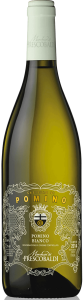 2020 Marchesi de’ Frescobaldi Pomino Castello di Pomino Bianco, Tuscany, Italy: Retail $22. Agglomerated stopper. “A blend of Chardonnay and Pinot Bianco, with a small portion of complementary varieties.” I just received this in May, but it is nonetheless a 2020 vintage (the website indicates that the 2022 has been released). Brilliant straw in the glass a bit of citrus and white pepper on the nose, but the palate is quite tart, certainly acid-driven. The fruit comes through immediately after, and balances out the wine, leading to some depth and a lengthy finish. You don’t often see a blend with Chardonnay, particularly with Pinot Blanc, and while this is not the most exciting Tuscan white I have had, it is an enjoyable Thursday night wine. Very Good. 89 Points.
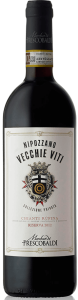 2019 Marchesi de’ Frescobaldi Chianti Rùfina Nipozzano Riserva Vecchie Viti, Tuscany, Italy: Retail $25. “Sangiovese and complementary grapes (Malvasia nera, Colorino, Canaiolo)”. There is not much information about this wine on the website other than it comes from the Rufina sub-zone of the Chianti DOC (there are seven smaller DOCs within Chianti and Rufina is the most widely known). Fairly light in color with oodles of raspberry and spice on the nose. The palate is rather angular with the zippy acidity coming in first and persisting all the way to the finish. Subtle red fruit comes in on the mid palate to balance out the tartness along with some earth and very subtle tannins. A lovely Rufina. Excellent. 90 Points.
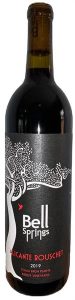 2019 Bell Springs Winery Alicante Bouschet, Reddy Vineyards, Texas High Plains, Texas: Retail $34. Under agglomerated stopper. The website claims this “is the go-to wine to pair with the rich dishes we all enjoy during the cooler months here in Texas.” So why did I pop this open on a sweltering September afternoon? Simply put, it was next in line and since I received it not too terribly long ago, I don’t feel all that bad about it. Make no mistake, though, the folks at Bell Springs have it right: this is a big, jammy, fruity, muscular wine that will no doubt shine at a late fall or dead of winter barbecue. I have never been a huge fan of Alicante Bouschet for that reason–the wine is pretty solidly pigeonholed into potential pairings. Dark, spicy, and brooding, this is not for the faint of heart who might be looking for a more versatile wine. Bring the beef, bring the smoke, bring the fat for this one. Very Good. 88 Points.
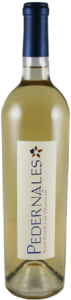 2021 Pedernales Cellars Lyla, Texas High Plains, Texas: Retail $30. Heavy bottle. 75% Roussanne, 25% Viognier. Agglomerated stopper with some tartrate crystals. I have already passed the seventh anniversary of my move to Houston and although I am feeling “more” confident about my understanding of Texas wines, I am still, sadly, very much a neophyte. I do know, however, that Pedernales sits at (or at least near) the top of producers in the state. This Roussanne/Viognier blend bears witness to that assertion. Tropical fruit (guava, papaya, and banana) on the nose along with a healthy pinch of spice (white pepper, nutmeg, maybe some ginger). The palate is wonderfully balanced with some weight, depth, and intrigue. Very nice. Excellent. 92 Points.
 2020 Spicewood Vineyards Tempranillo, Texas High Plains, Texas: Retail $40. Under cork. As I understand more about the Texas wine scene, Spicewood Vineyards and winemaker Ron Yates keep coming up, particularly when it comes to Tempranillo. Fairly light in color, but that is the only “light” part about it: big black and blue fruit on the nose along with a bit of tomato, mocha, and mint. The palate is also big, even really big (insert familiar Texas saying here). As I hinted, I am far from an expert in Texan wine, but this Spicewood Tempranillo is what one might expect from a Texas red: big, bold, and unabashed. Excellent. 91 Points.
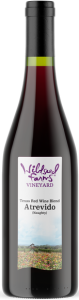 2019 Wildseed Farms Vineyard Atrevido, Texas: Retail $36. Agglomerated stopper. I was unable to find any information about what goes into this “red blend”. None. I have only visited a couple of Texas wineries at this point and Wildseed Farms is not one of them. That might need to change, however, as I am intrigued by the fact that selling actual seeds is a major part of its business plan. This “red blend” (it really irks me that I have no idea what I am drinking, but it seems as though there might be a bit of Tempranillo) is fairly light in color, but big in aromatics with mostly red fruit and some plum along with tomato leaf, mocha, and cashew on the nose. The palate is nicely balanced between fruit, acidity, and spice. As I hinted, I am far from an expert in Texan wine, but this Wildseed Farms “red blend” is a nice wine, but I would really like to know what is in it. Excellent. 90 Points.







 the drunken cyclist