It is time for another edition of “Random Samples”–I occasionally get samples from marketing agencies and/or producers. These can often be grouped together into some sort of over-arching theme: Drink Them and It Will Come, Summer is Here, So That Means (More) Rosé, If It Doesn’t Sparkle, It Doesn’t Matter.
Other times, I get just a bottle or two that do not have any apparent connection or link. Instead of holding on to those bottles until the “right” combination comes along, I decided to link all these “random” bottles together, making their own category (and, being the math geek that I am, “random sample” has a bit of a double entendre).
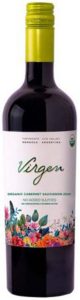 2021 Domaine Bousquet Cabernet Sauvignon Virgen, Tupungato, Argentina: Retail $12. Responsible bottle. Under screw cap. 100% Cabernet Sauvignon from vines at 4000 feet elevation. Quite dark in the glass, almost inky, with dark and red fruit aromas (cherry, blackberry, plum) along with some interesting spice (Chinese 5 spice, red pepper, cumin). The palate, though is all about the fruit. While far from a fruit “bomb” there is certainly a lot of it here and it is juicy and delicious. According to the website, the winemaker felt the tannins are in the “medium” range, but I certainly could not find them (maybe they are afraid to come out and play with all that fruit). Make no mistake, this is a fun, tasty wine that is ready to drink and, like many of the Domaine Bousquet wines, represents an incredible value. Very Good. 89 Points.
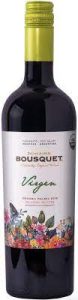 2021 Domaine Bousquet Malbec Virgen, Tupungato, Argentina: Retail $12. Responsible bottle. Under screw cap. 100% Malbec. I am a big fan of Domaine Bousquet and what they seem to be trying to do: produce organic, affordable wines. And this Malbec fits the bill: dark in the glass with black raspberry, blackberry, plum, and black pepper doing a creative pas de quatre on the nose. The palate is fruity, tart, and entirely quaffable without being overly contemplative. No, this wine is not to celebrate a momentous event unless that event is surviving another Tuesday long enough to watch the latest episode of Only Murders in the Building, which is in no way a bad thing. At. All. Very Good. 88 Points.
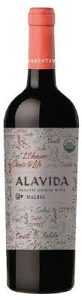 2022 Domaine Bousquet Malbec Alavida, Tupungato, Argentina: Retail $19. Responsible bottle. Under agglomerated stopper. Organic, vegan, kosher. Quite dark, almost black even, in the glass with dark fruit (plum, blackberry, black currant), a touch of black pepper, and a whole lot of stormy skies going on. Fruity (albeit dark) on the palate as well, with mostly blackberry and cassis coming through. There is also a dash of spice, an herbal element (thyme?), and just a touch of tannic grip on the above-average finish. If you have not realized it yet, this wine is, well, dark. So tasting it on a 95° afternoon is perhaps not the best environment to evaluate it, but if you happen to have a large amount of beef handy, it will welcome this wine with open, er, hooves? Very Good. 89 Points.
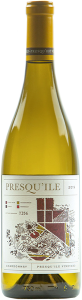 2020 Presqu’ile Chardonnay Presqu’ile Vineyard, Santa Maria Valley, CA: Retail $48. Under cork. 11 months in large (2000 liter) Austrian oak, then 6 months in stainless steel. While I have some familiarity with the brand, this is the first sample I have received from Presqu’île. The oak foudres used here are almost ten times the volume of a standard 225-liter barrel, so one would imagine the oak influence to be minimal. While that is certainly true on the palate, which is fruity, tart, and nicely balanced, the nose has a much more prominent oak presence with lemon meringue, vanilla, and that toasted oak. For me? This is a very happy medium between the oak monsters of California’s past and the rather tame (or boring) un-oaked Chards that are prevalent today. Very nicely done. Excellent. 92 Points.
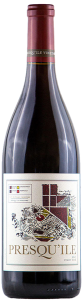 2020 Presqu’ile Pinot Noir Presqu’ile Vineyard, Santa Maria Valley, CA: Retail $50. Under cork. As I mentioned in the Chardonnay note, I have tried a few wines from Presqu’Île, but these are the first that I have “officially” reviewed. Fairly dark in the glass, particularly for a Pinot Noir, with oodles of blue and red fruit: blueberry (even plum?), black cherry, ripe strawberry, and dashes of spice and herb. The palate is also dominated by the fruit, but there is also the requisite zinginess that defines good Pinot. The spice makes an appearance as does a subtle but evident tannic grip, which comes in on the finish. For me, this is on the bigger side of Pinot, but I feel with time, this will mellow out nicely (I am thinking 4-8 years). Excellent. 91 Points.
 2021 Rombauer Vineyards Pinot Noir, Santa Lucia Highlands, CA: Retail $65. Under cork. Rombauer has been making wine in California since 1980, which is a pretty long time in this country. They are undoubtedly best known for their Chardonnay, which has a rather memorable nickname in the wine industry (“Cougar Juice” which is a story for another time). This, however, is apparently the first Pinot Noir to bear the Rombauer name, and it hails not from Napa but rather the Santa Lucia Highlands (a much better spot for Pinot). I have to admit that, given the reputation and characteristics of the Chardonnay, I was expecting a jammy, over-the-top rendition of what is perhaps my favorite red wine variety. Au contraire, mon Chardonnay. Fairly dark in color with aromas of black cherry, spice, and even menthol, it is more complex than I had envisioned. The palate, while certainly on the dark side of Pinot, is more lithe than either the nose or my preconceived notions portended. Fruity, tart, balanced, layered, and, yes, even elegant, this is more than a solid effort. While decidedly on the “bigger” end of Pinot (if only slightly), this solidifies the argument that Rombauer is much, much more than their Chardonnay. Outstanding. 93 Points.
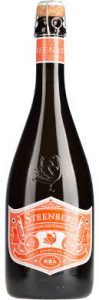 NV Steenberg Sparkling Sauvignon Blanc, Western Cape, South Africa: Retail $24. 100% Sauvignon Blanc. Traditional method. We drink a ton of sparkling wine, a ton. But I could count on one hand how many of those have been made from 100% Sauv Blanc–not just this year, but ever. Having said that, this is delightful: bright, fruity, zingy, or just about everything you need to elevate your boring humpday into, well, I won’t go there. Not overly complex (nor intended to be), the naturally high-in-acidity Sauv Blanc seems to work well as a sparkler. I am surprised, however, that they used the traditional method here. The main advantage (as I see it) to using the same method as the one used in Champagne is to introduce an autolytic (i.e., yeasty) component as the wine ages on the lees. I am not picking up much of that at all here, which is probably a good thing. There is a reason you do not see a ton of SB aged in new oak. Very Good. 89 Points.





 the drunken cyclist