6My sons get into the same argument on a regular basis: what is the best super power. It usually goes back and forth for several minutes as they bicker, calling each other an idiot, and eventually ask my opinion. I always say the same thing (flying) and I am repeatedly amazed that they do not remember and equally dismayed that they don’t realize how wrong they are.
In real life (or “IRL” as my kids say), if I could choose a super power, it would probably be the ability to convince wine buyers to spend just a little more to get a much better wine. No where is that more evident, perhaps, than with Prosecco.
Anybody who has ever had a sparkling wine has likely tasted a Prosecco and odds are that Prosecco came from the DOC (Denominazione di Origine Controllata or Denomination of Controlled Origin). Why? There is a ton of it made, it is relatively cheap (think under $15) and it does not require all that much thought.
In the last couple of decades, Prosecco DOC has witnessed incredible growth as wine lovers look for an inexpensive alternative to champagne which is hard to find today on the shelves for under $40.
The folks in Prosecco have responded to the demand with an equally dramatic increase in production through both increased plantings (by enlarging the DOC), allowing higher yields, and introducing “new” styles (rosé, for example, was allowed in 2019).
What does it all mean? It takes a lot of grapes to make all that LaMarca, which is at or near the top of largest single brands sold in the U.S. And as a result, at least in my opinion, the quality of many Prosecco DOC wines has suffered.
The wines from Prosecco DOCG (Denominazione di Origine Controllata e Garantita or Denomination of Controlled and Guaranteed Origin) on the other hand, have maintained relatively the same production levels and the quality of the wines has only increased. The DOCG wines are, in general, about $10-20 more expensive than those from the DOC, but for a rather small increase in price, the quality is vastly superior. And if the savvy consumer is willing to spend “entry-level” champagne kind of cash ($35-50), one could procure the best wines the region has to offer, those from the 43 different Rives or single vineyard wines (essentially).
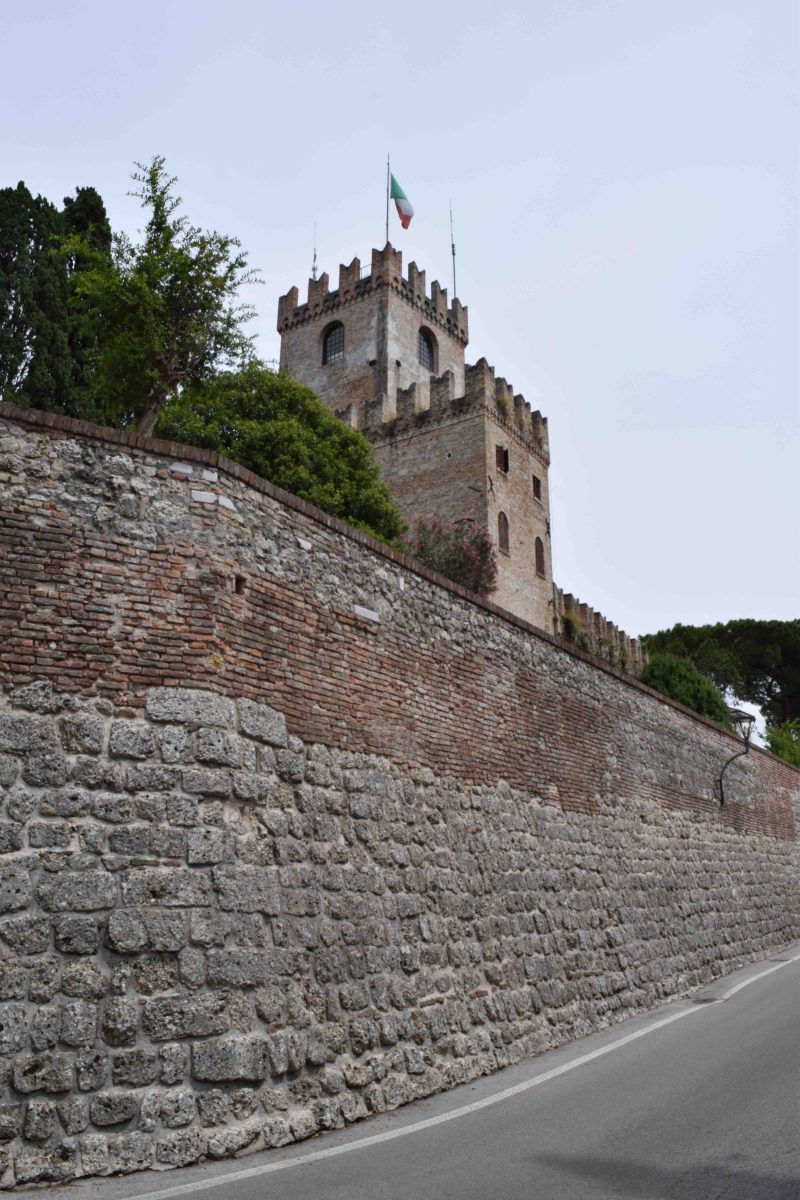
The castle in Conegliano.
There are a few problems, though, with Prosecco DOCG (as I see it). First, you really have to look for them. The DOC produces about 600% more bottles than the DOCG and with the relatively high demand for the latter, the bottles can be tough to come by, particularly those from the Rives.
Second, producers in the region are still trying to figure out sugar levels. Traditionally, many Prosecco’s were demi-sec or even sec (meaning they had much higher sugar levels and would taste sweet) while consumers in this country at least, are increasingly looking for drier wines.
Third, let’s face it, the official name of the DOCG is impossible to pronounce and is incredibly long: Conegliano Valdobbiadene Prosecco Superiore DOCG. It literally took me a couple of days to learn to pronounce “Valdobbiadene” and I am still working on “Conegliano”.
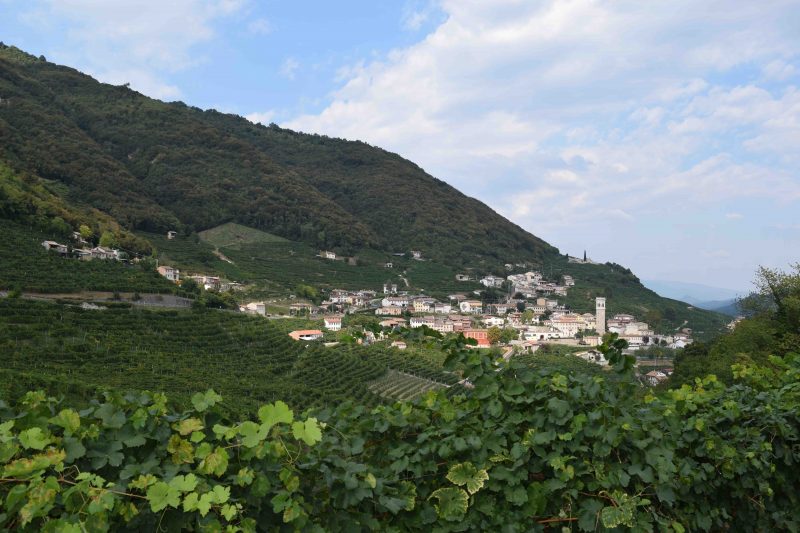
Still, I stand by my previous assertion: spend an extra few bucks the next time you are buying a bottle of Prosecco and reach for a wine with “DOCG” on the label, you will be handsomely rewarded.
This past summer, I was invited to a dinner here in Houston to learn more about the wines from the DOCG and sample a dozen of the wines available in the U.S. I reviewed the first two flights of the tasting last week, and here are the remaining six wines.
The three bottles of the third flight were presented to highlight the fantastic wines being made in the 43 different Rives, with the pinnacle being those from Cartizze, by far the most coveted vineyard in Prosecco.
2021 Bortolomiol Valdobbiadene Prosecco Superiore Extra Brut 70th Anniversary Millesimato Rive di Col San Martino: Retail $45. 100% Glera. Very light in color. Rich and creamy tree fruit. Peach and walnut on the nose. Lovely. Austere on the palate 0 g/l. Tart green apple comes through eventually with zingy acidity and a lengthy finish. Very concentrated. Excellent. 92 Points.
2023 Cantina Produttori di Valdobbiadene Val D’Oca Brut Rive di San Pietro di Barbozza: Retail $43. 85% Glera. 10g/l. Yeasty and creamy on the nose with golden apple. Although there are ten grams of sugar it comes off quite dry. Perhaps my fave thus far in this fantastic tasting. Outstanding. 94 Points.
NV Ruggeri Prosecco di Valdobbiadene Superiore di Cartizze Brut: Retail $40. 100% Glera. Dosage: 8 g/l. Light to very light in color. The most complex of the tasting thus far. Fruity, sure, but elegant and layered. There is a reason this is at the top of the pyramid. Stunning. Outstanding. 95 Points.

The last three wines were selected to highlight the advancements made by the region in sustainability. Prosecco DOCG is one of the leading regions in Italy when it comes to their focus on green farming and sustainability.
NV Villa Sandi Glera La Rivetta 120: Retail $25. Dosage: 3 g/l. Light in color with a caramel sensation on the nose. Peach and pear; perhaps the fruitiest thus far in this tasting. Rich and fruity on the palate as well. Blend of two Rive close to Cartizze. Very nice. Excellent. 92 Points.
2023 Bortolomiol Valdobbiadene Prosecco Superiore Ius Naturae Brut: Retail $20. Brut Ius Naturae. Dosage: 8 g/l. Organic vineyard. Citrus and tree fruit: tons of pear. Fruity and full on the palate. Quite nice. Excellent. 92 Points.
2022 Perlage Valdobbiadene Prosecco Superiore Col di Manza Millesimato: Retail $30. 100% Glera. Extra Dry Col di Manza. Dosage: 16 g/l. Caramelized pear on the nose. Biodynamic. Fruity and quite tart on the palate. Underripe pear a gogo. A finish for days. Austere, but fantastic. Outstanding. 93 Points.






 the drunken cyclist