It has been almost thirty years since I stepped foot into my first vineyard and I imagine the total number of vineyards and wineries I have visited since must approach triple digits. There are obviously many similarities among the different sites, but of course, there are a few differences as well.
Initially, I seemed to focus on the similarities, wanting to see the tank and barrel rooms, check out the bottling line, if they had one, and examine the vineyards with a keen eye (that is a lie–in the beginning I had no idea what to look for in a vineyard; I guess I still don’t, but I am much better at faking it now).
After a while, however, many of the commonalities began to blur; I know that winemakers are excited about their tank rooms, but all 20,000 liter stainless steel tanks tend to look a lot alike. Sure, each winery and vineyard is unique, but when they are all designed to make the same product, well you get the picture.

Thus, about halfway through my journey around the wine world, I started looking for differences, what makes one winery or a certain vineyard different or unique (notice I did not say “very” or “quite” unique); I have found that is where the more interesting stories can be found.
Christophe Bristiel, now the former export manager for Château la Nerthe in Châteauneuf-du-Pape certainly falls into the “unique” category. This past fall, after my solo bike trip through the Massif Central and the Cévennes and a couple of days in Aix-en-Provence, I met Christophe in Aix, loaded up my bike in his wife’s car (thank you Meilin!) and headed east.
Our ultimate destination was the medieval town of Vaison-la-Romaine and Christophe and Meilin’s incredible villa, La Baye des Anges. But this post is not about them, that will come soon.
No, in typical Christophe fashion, he had a stop planned along the way, Domaine les Béates in Lambesc, in the middle of the famed Coteaux d’Aix-en-Provence wine appellation. As we approached the unassuming winery, we were soon joined by Pierre François Terrat, the proprietor of les Béates.
It was clear from the first exchange that Pierre was one who enjoyed life, with his gravelly, booming voice (a product of too many cigarettes, too much brandy, or both) and his infectious laugh, Pierre took us on a quick tour of the Domaine.
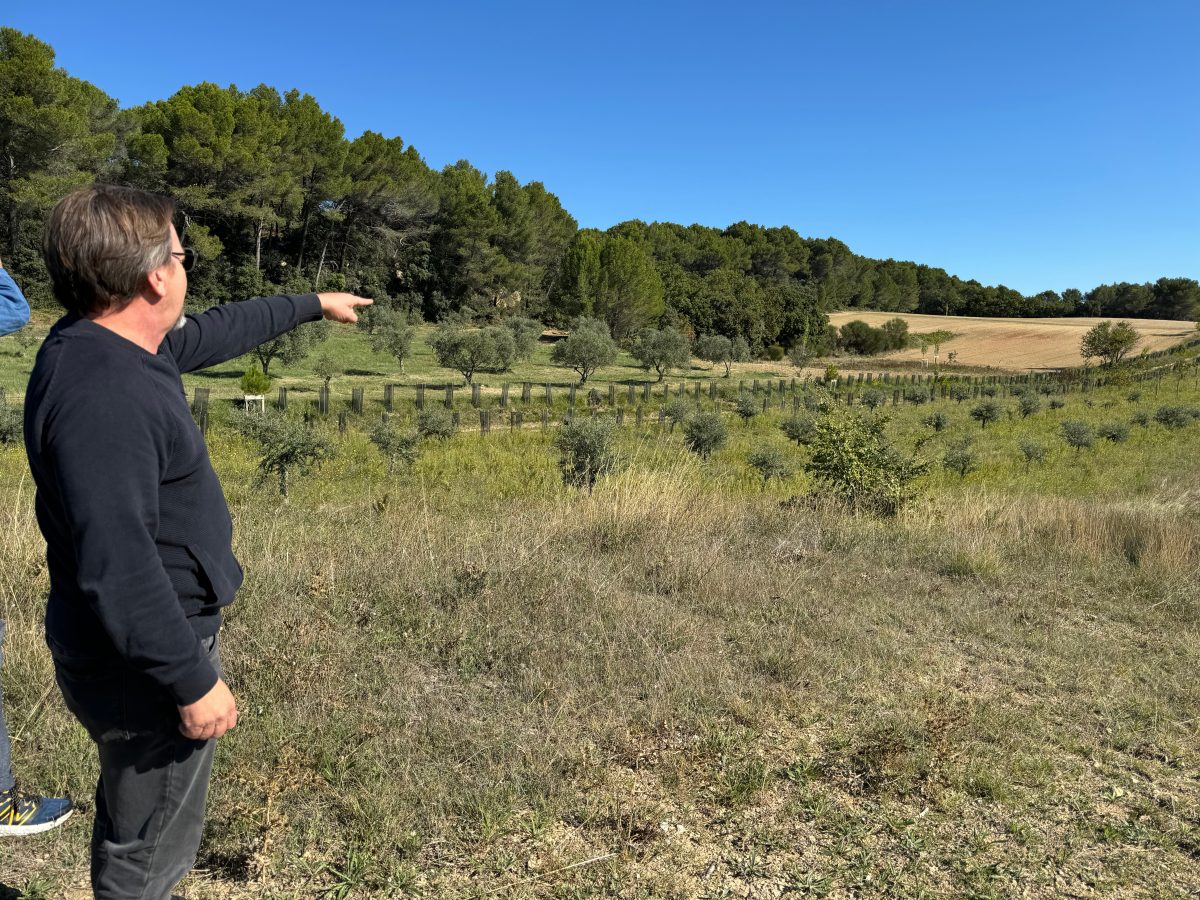
The visit to les Béates (named after the now-defunct religious order of nuns that once occupied the land) was nothing short of amazing. Following the tour, we had a tasting of nearly the entire line of wines produced at the estate, which is roughly 50% red, 30% white, and 20% rosé (this stands in sharp contrast to the rest of Provence which is nearly 90% rosé). Following the tasting, we sat down to lunch with the entire crew, which made me rethink how good my French actually is.
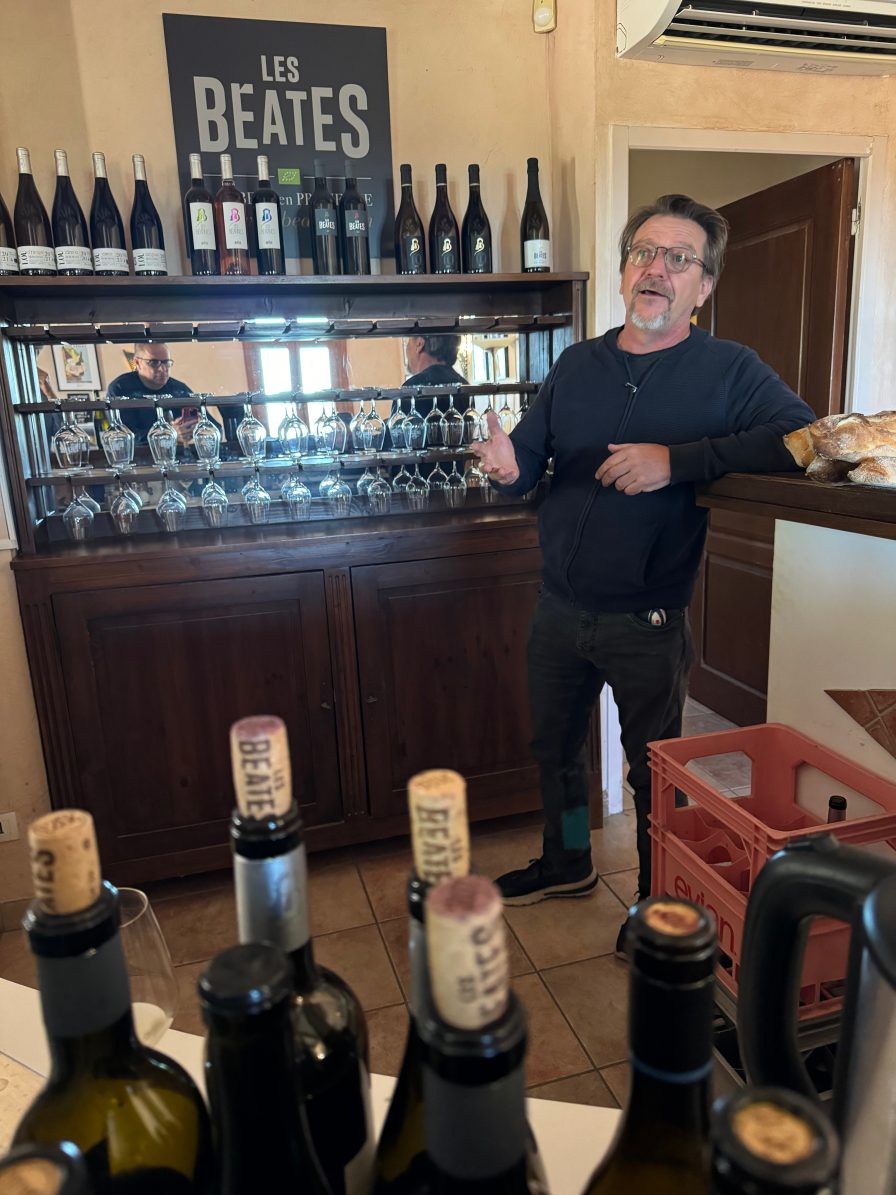
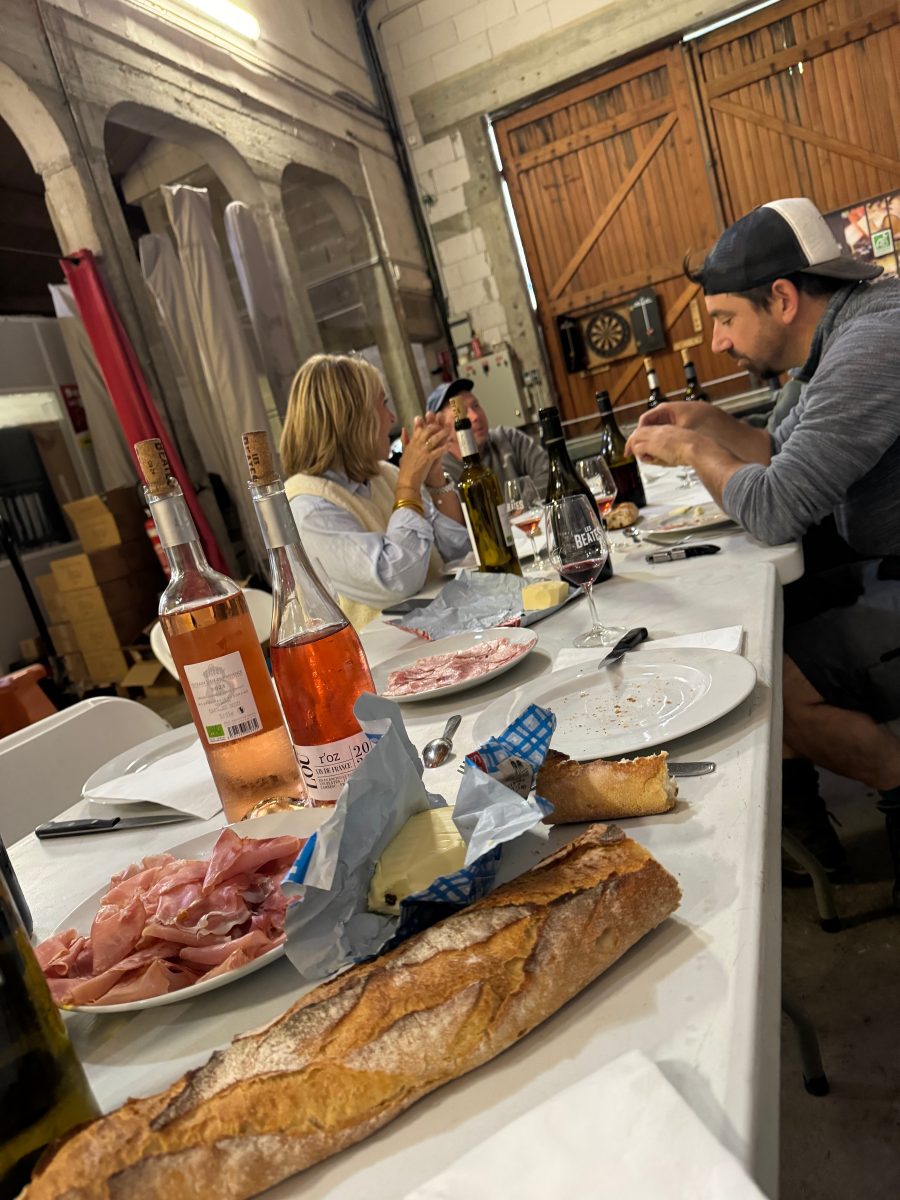
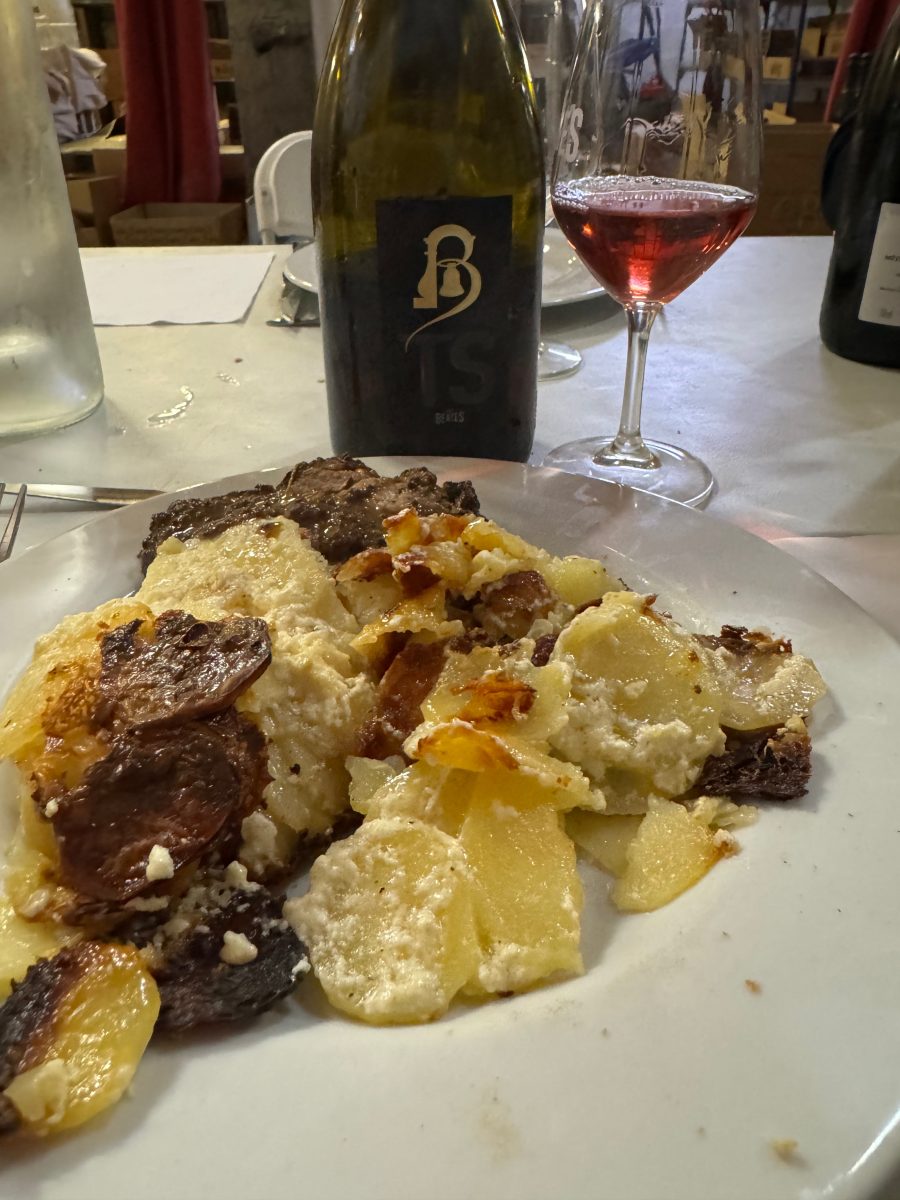
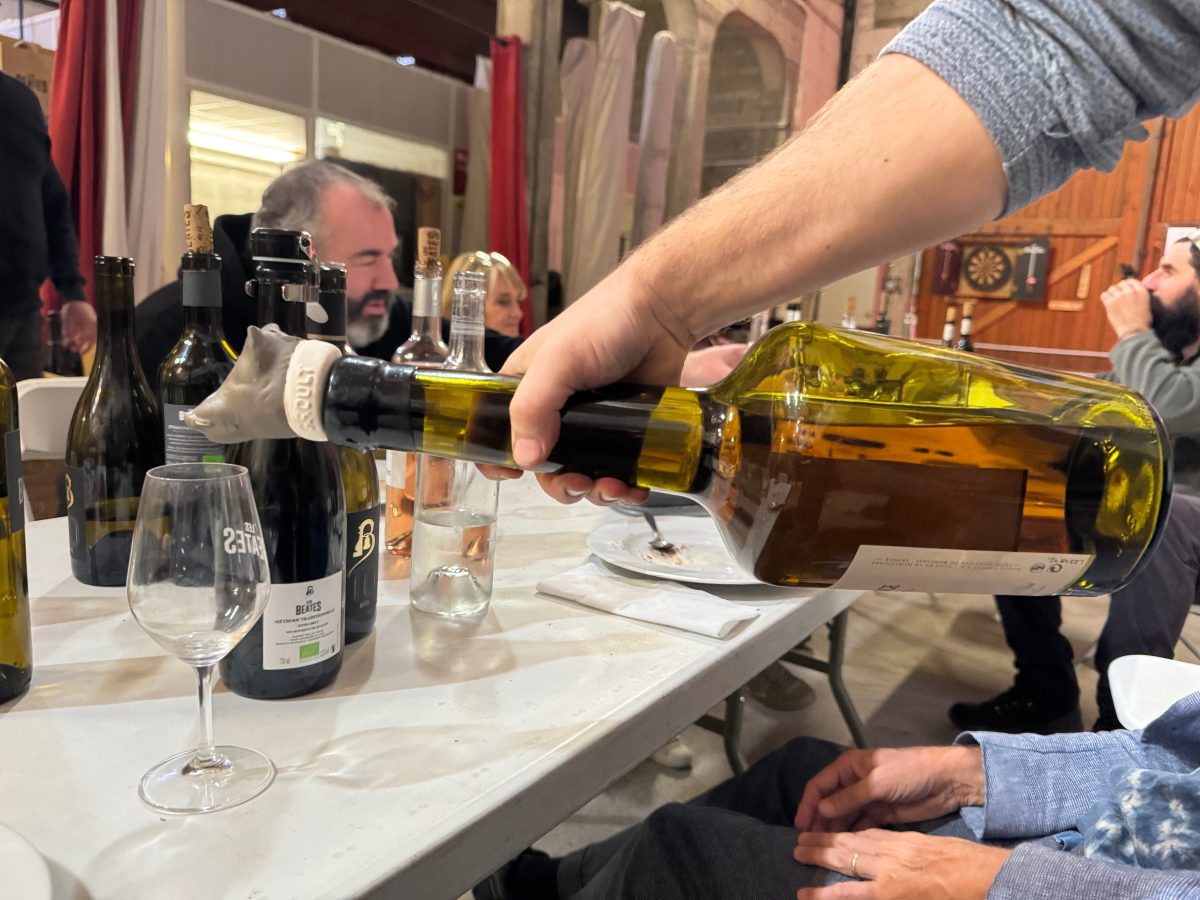
I don’t know if I will ever make it back to les Béates, but if I do, I will be certain to arrive with plenty of space in my belly and considerable room in my luggage (to bring back bottles).
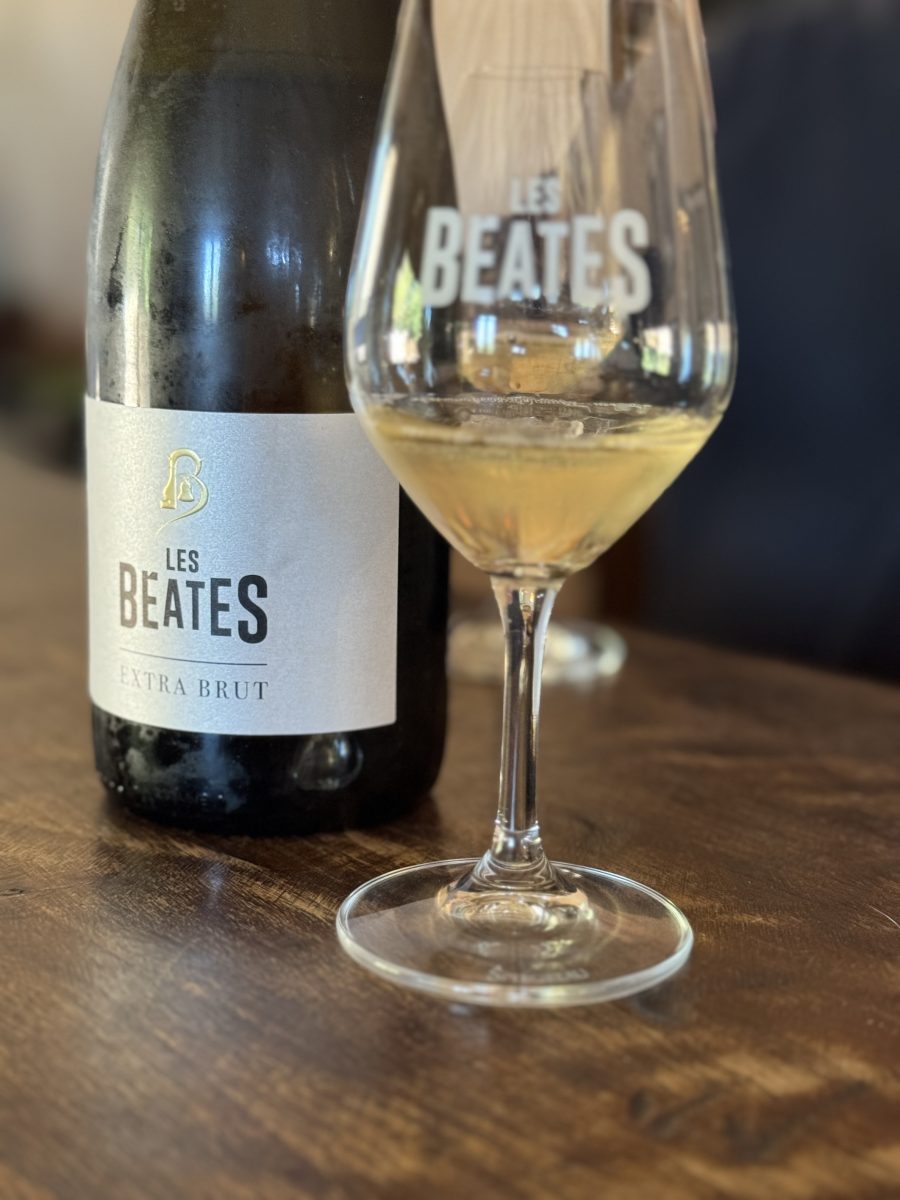
NV Domaine les Béates, Extra Brut, Vin de France: Retail 20€. 40% Ugni Blanc, 40% Chenin Blanc, 20% Grenache Blanc. Extra Brut. Méthode traditonelle. Actually a brut zero (no dosage), but that makes it sound like a “zero”, according to Pierre François, while “extra brut” is “extra”. Green apple with honey and white peach on the nose and palate. This is fruity, dry, and incredibly refreshing. Excellent. 90 Points.
2023 Domaine les Béates, Les Béatines Blanc, Coteaux d’Aix-en-Provence, France: Retail: 12,50€. 50% Rolle (Vermentino), 40% Ugni Blanc, 10% Grenache Blanc. Barely a straw color, practically clear. Initially, a bit too cold but nice citrus and white peach on the nose. Good fruit (some apricot here) and nice tartness on the palate. Salty and mineral. Easy drinking and refreshing. Excellent. 90 Points.
2023 Domaine les Béates, LOU Misto, Vin de France: Retail: 16€. Ugni blanc, Vermentino, Clairette, Grenache Blanc, Grenache Noir, Counoise. “Misto” means “mixed” and the way I understand the blend, a third is from red grapes (blanc de noirs), crushed and aged in terra cotta, another third is straight to press and vinified in stainless steel, and the last third remains on the skins for a month and aged in a concrete egg (orange wine). Certainly quite weighty and complex with layers of flavor and complexity with nice pear and melon. Good balance. Tasty. Excellent. 91 Points.
2023 Domaine les Béates, Les Béates Blanc, Coteaux d’Aix-en-Provence, France: Retail: 20€. 60% Rolle (Vermentino), 40% Ugni Blanc. Straw, close to yellow, in color in the glass. Quite mineral and salty on the nose with intense floral notes, some white tree fruit, and a hint of smoke. Weighty on the palate but even more complex and layered than the Misto. But it needs some time to settle down a touch as it is a bit nervous. Excellent. 92 Points.
2023 Domaine les Béates, Les Béatines Rosé, Coteaux d’Aix-en-Provence, France: Retail: 12€. 50% Grenache Noir, 30% Syrah, 20% Cinsault. Medium color on the Provençal scale. Plenty of fresh strawberry, a hint of cherry, and a distinct rhubarb. Fruity and tart on the palate with good length and a lengthy finish. Everything you could want from a rosé from Provence. Excellent. 90 Points.
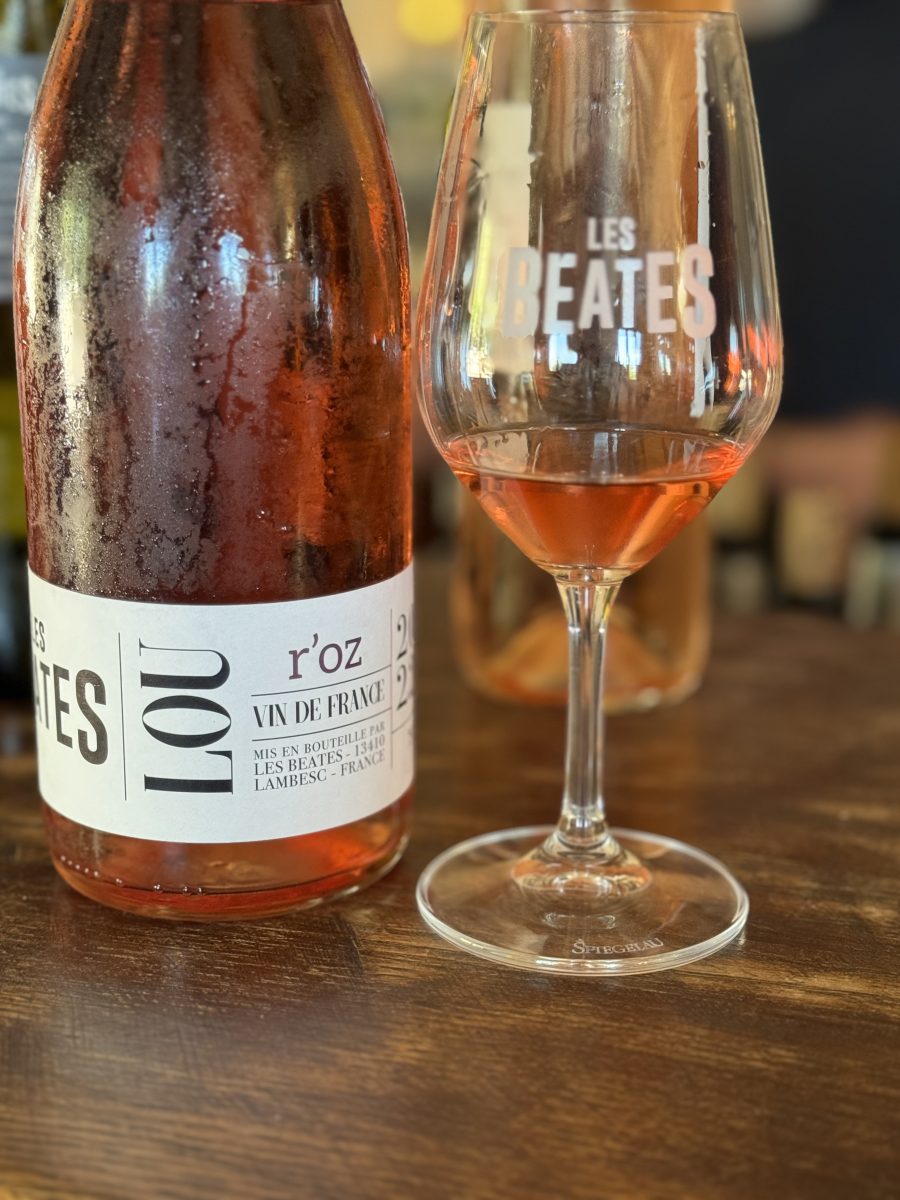
2022 Domaine les Béates, LOU R’oz Rosé, Vin de France: Retail: 20€(?). Saignée de Syrah. Dark even really dark. It might even be “dark” for a “light red”. It’s almost red–OK, maybe a “light red”? Rich cherry and other red fruit dominant on the nose. Good fruit, even really good fruit on the palate. But the acidity struggles to keep up (I would argue that most saignées fall into this camp). Still. Tasty. Even Very Good. 89 Points.
2021 Domaine les Béates, Les Béatines Rouge, Coteaux d’Aix-en-Provence, France: Retail: 12,50€. 50% Syrah, 40% Grenache Noir, 10% Carignan. A relatively short maceration (a short maceration means fewer tannins) of only five days leads to a medium to light coloring the glass with notes of black raspberry with a bit of funk. Bright and fruity on the palate; quite lively and playful. Very easy drinking and tasty. Excellent. 91 Points.
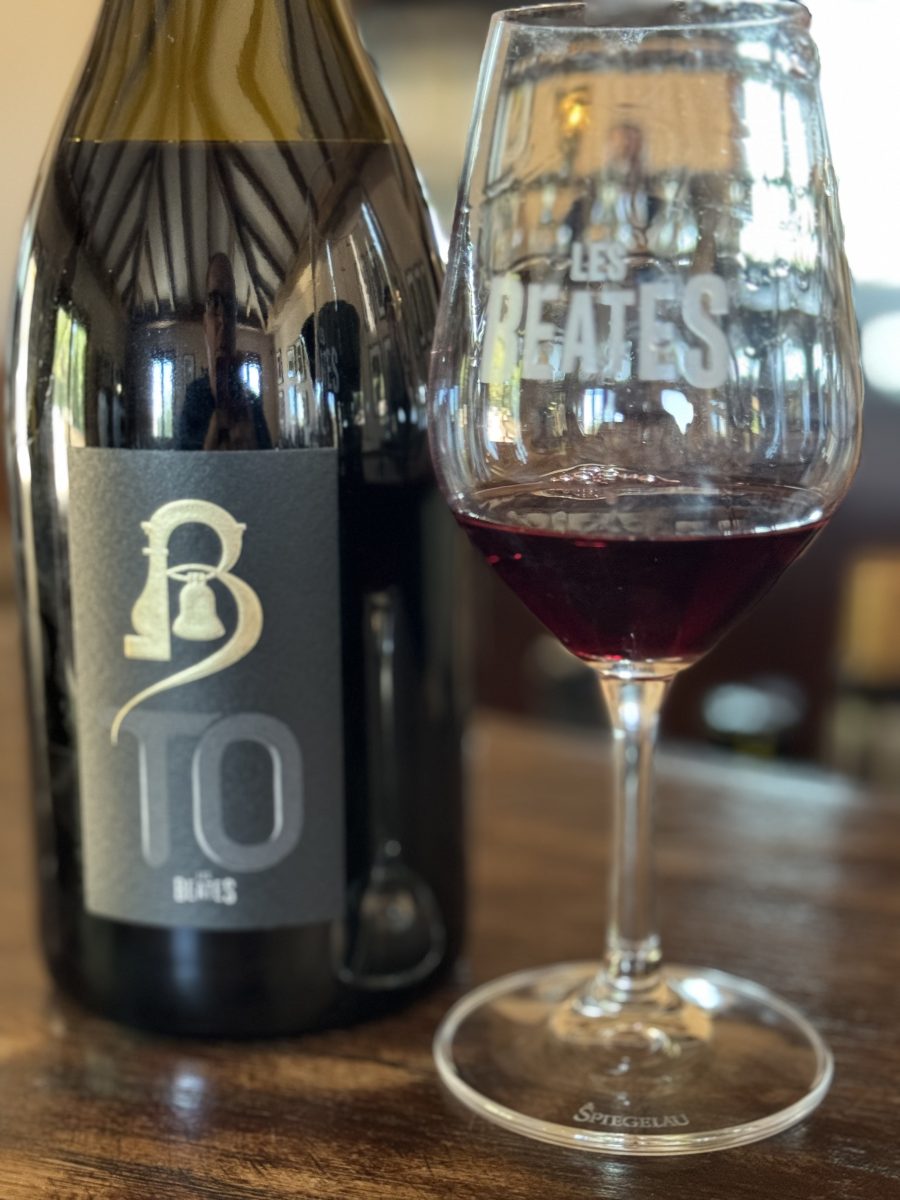
2020 Domaine les Béates, Les Béates Rouge, Coteaux d’Aix-en-Provence, France: Retail: 20€. 40% Syrah, 40% Grenache Noir, 20% Cabernet Sauvignon. Dark fruit and a bit funky on the nose of this dark, opaque wine. With great fruit on the nose with hints of black olive and maybe a touch of mocha. Yowza. The palaete has similar traits, but seems to be waiting anxiously for some food. This reminds me of some of the best Provencale reds I have tried. Excellent. 92 Points.
2020 Domaine les Béates, Terra d’Or Rouge, Coteaux d’Aix-en-Provence, France: Retail: 35€. 40% Syrah, 40% Grenache Noir, 20% Cabernet Sauvignon. Long maceration. Intense and concentrated red and black fruit on the nose along with some black pepper and spice. Wonderful. The palate, if possible, is even better: Rich, layered, intense fruit flavors. Whoa. Crazy rich. This is a keeper. Minimum 5-10. Easy. Outstanding. 95 Points.
2023 Domaine les Béates, Terra d’Or Rosé, Coteaux d’Aix-en-Provence, France: Retail: 36€. 100% Saignée de Syrah. Interestingly, we tasted this after all the reds, kind of Burgundian in that aspect. Another incredible wine from Béates; Dark (for a rosé in both color and style), very rich, layered, and one of the more complex rosés I have tried. Fantastic even if it’s a saignée, but truth be told, once I heard it was a saignée, I felt it could have used more tartness, but I am worried that was my bias showing through. Outstanding. 93 Points.
2023 Domaine les Béates, Terra d’Or Blanc, Coteaux d’Aix-en-Provence, France: Retail: 36€. 80% Sauvignon Blanc, 20% Chardonnay. Yellow close to golden in the glass with a fascinating nose of beeswax, lemon curd, and minerality. The palate is a bit round but enticing. Good fruit, of course, and enough tartness to hold it together. One of the richest SB that I have had. In fact, I doubt few would identify it as such. Outstanding. 94 Points.







 the drunken cyclist