As some of you know, I recently returned from three weeks in Italy. I was invited by a few friends to spend some time at a villa in the hills of Umbria, not far from the border with Tuscany, and I agreed (of course).
Well, the week in Umbria had come to a close, but I still had another eleven days in Italy. I had decided to split it up rather evenly between the Franciacorta region and Lago d’Iseo, Alba in the middle of Piedmont, and Stresa on the banks of Lago Maggiore; all three spots in the northern part of the country, the first two known for wine production and the third a town I had visited a couple of decades ago.
I left beautiful Lago d’Iseo and headed west to the relatively small town of Alba, the center of the Piedmont wine growing region. I would be there for four nights, and I planned on a bit of riding and squeezing in a couple winery visits. You know, the youze.

Alba is not large by any definition, but perhaps the perfect spot for an exploration of Piedmont’s wine region. The Cathedral of San Lorenzo, located on the Piazza Risorgimento in the center of town is certainly worth a visit.
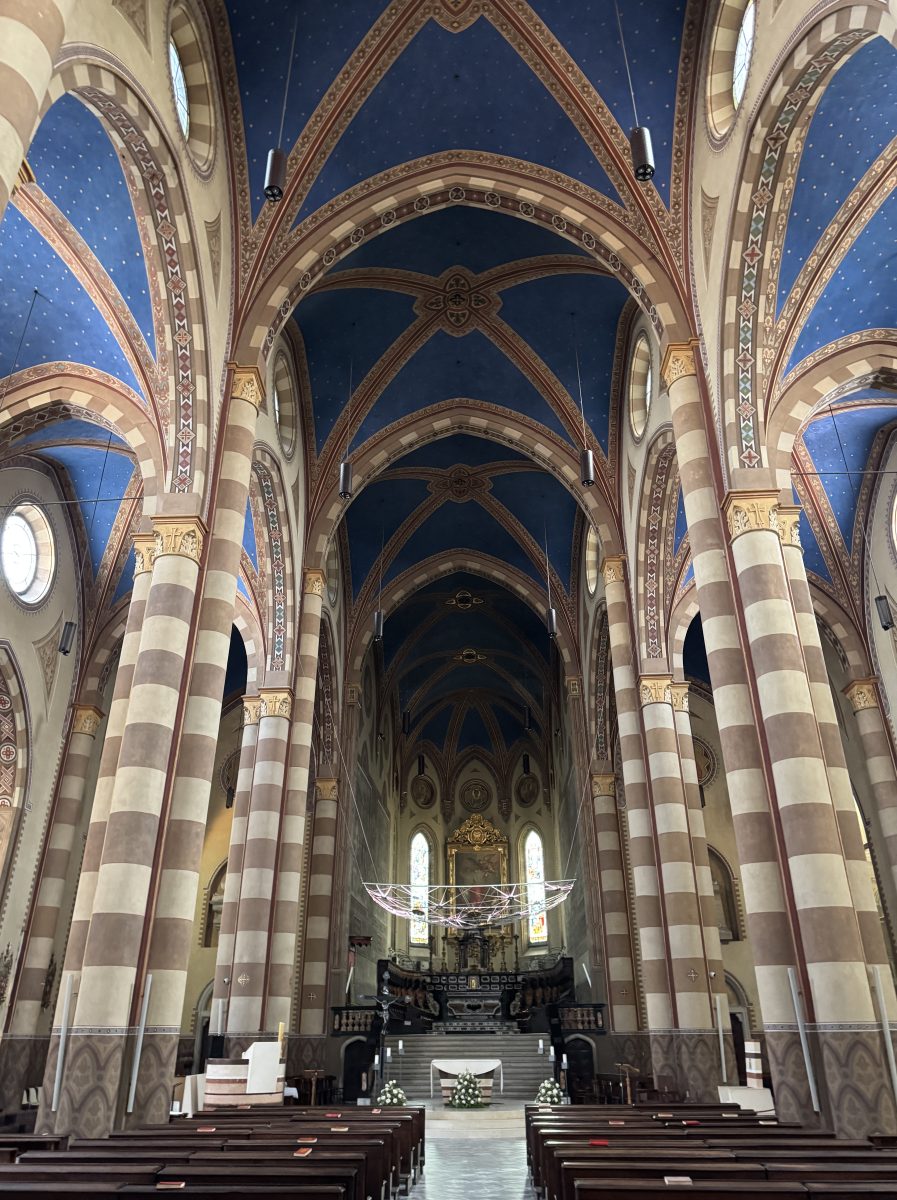
I am far from religious, but I have been in more than my fair share of cathedrals. The interior of San Lorenzo is particularly striking.

Far from imposing, but certainly grand, the cathedral melds right into the city rather seamlessly.
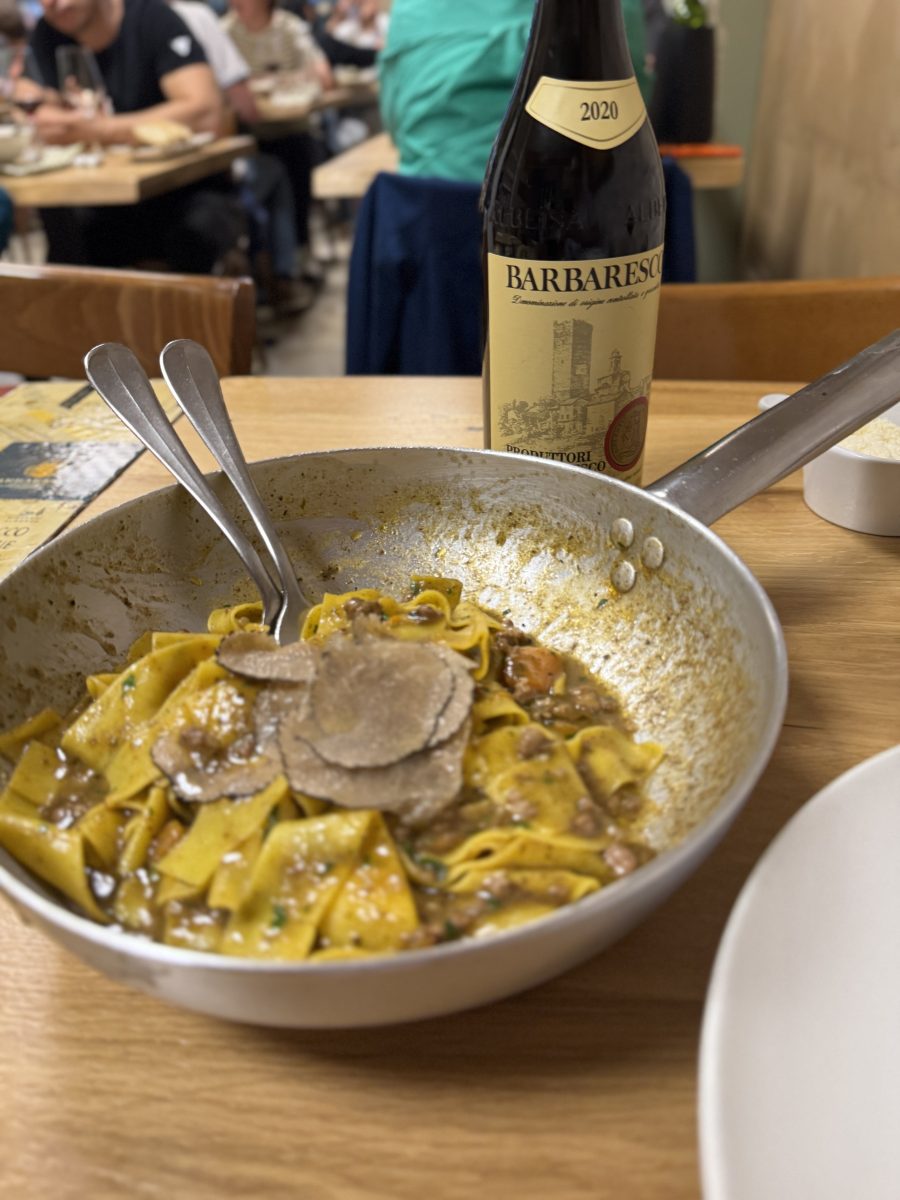
Piedmont in general and Alba in particular are known for their truffles, so I went there on my first night in town, with some fresh pappardelle and a lovely Barbaresco.

My first ride in Piedmont was not all that ambitious (I am too old for much ambition on the bike these days), but included a bit of climbing among the vines.
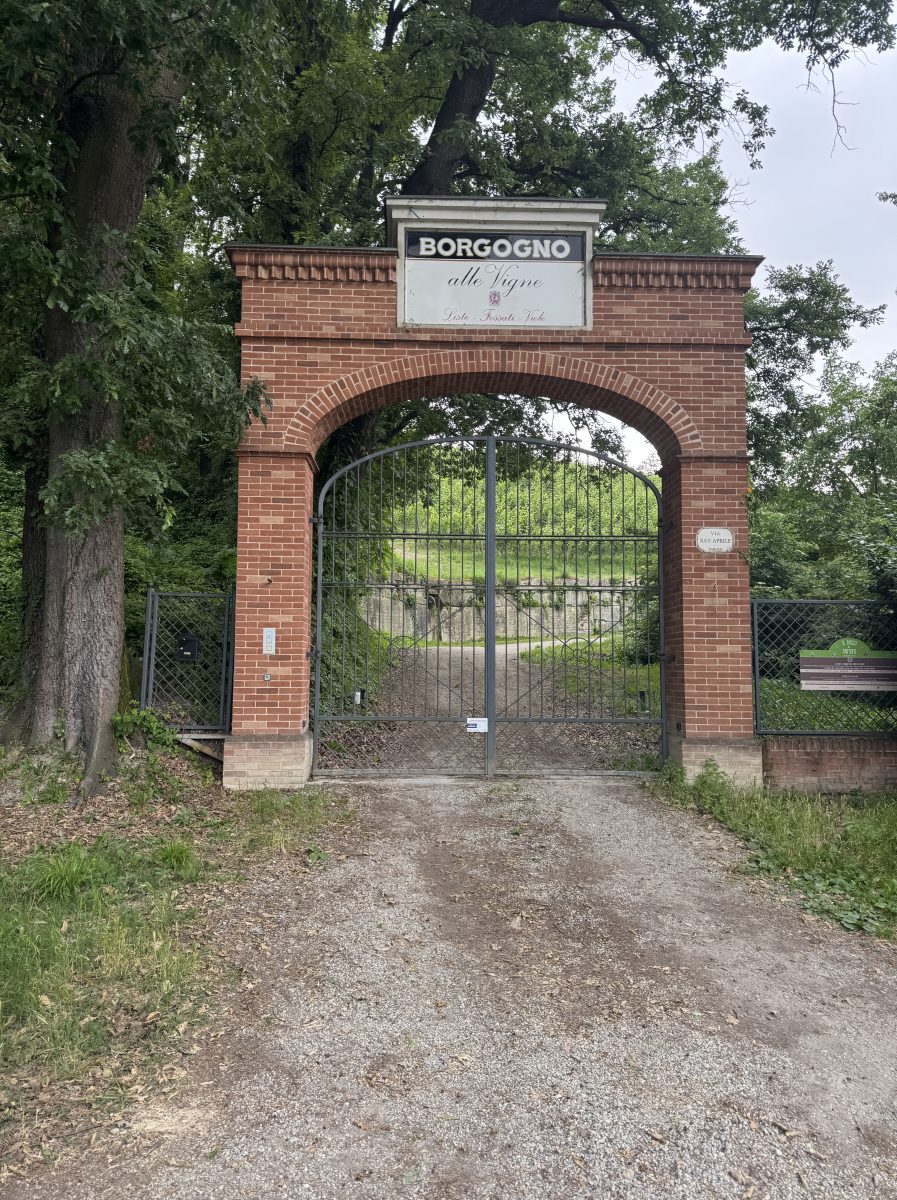
The ride was mostly in the Barolo region, which is not my area of expertise, but I know these guys.
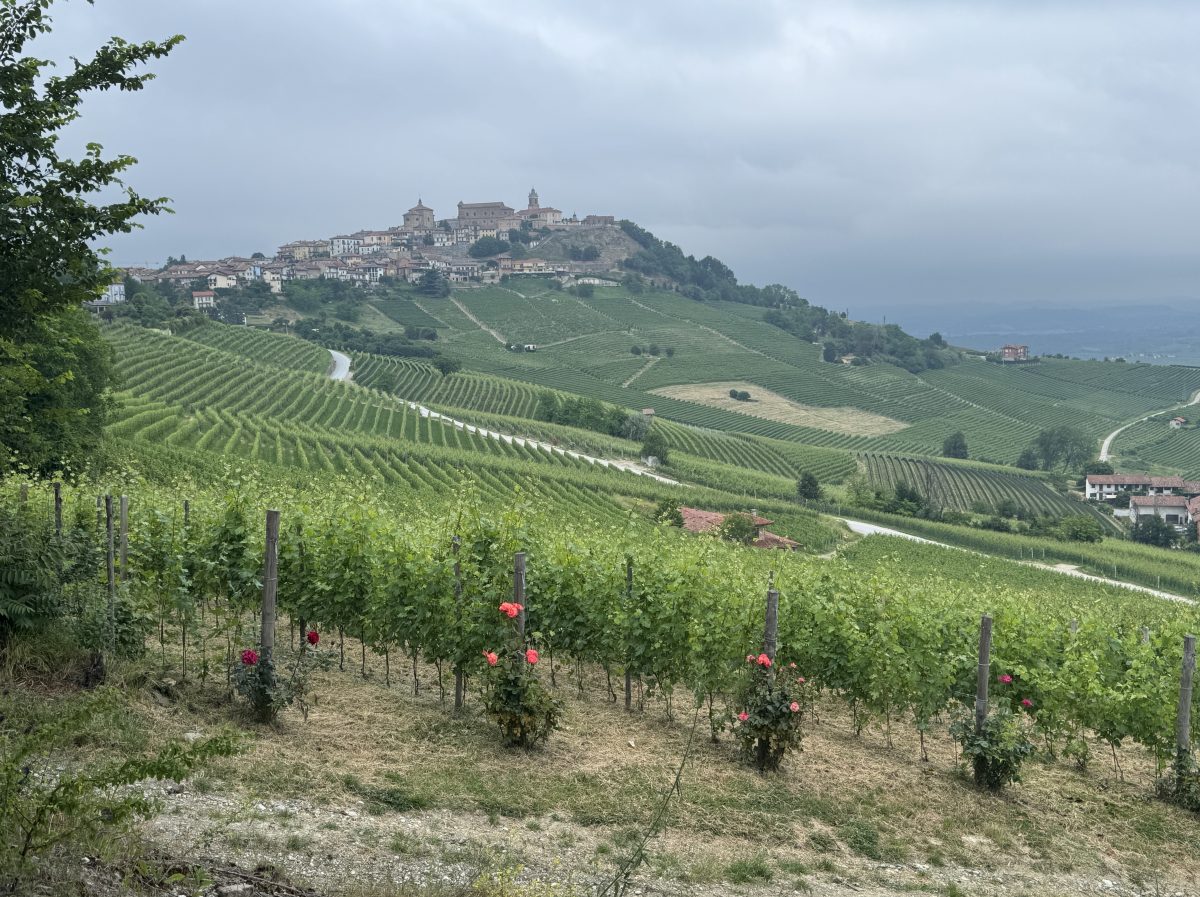
Even under gloomy skies, La Morra sits majestically atop its perch among the vineyards.
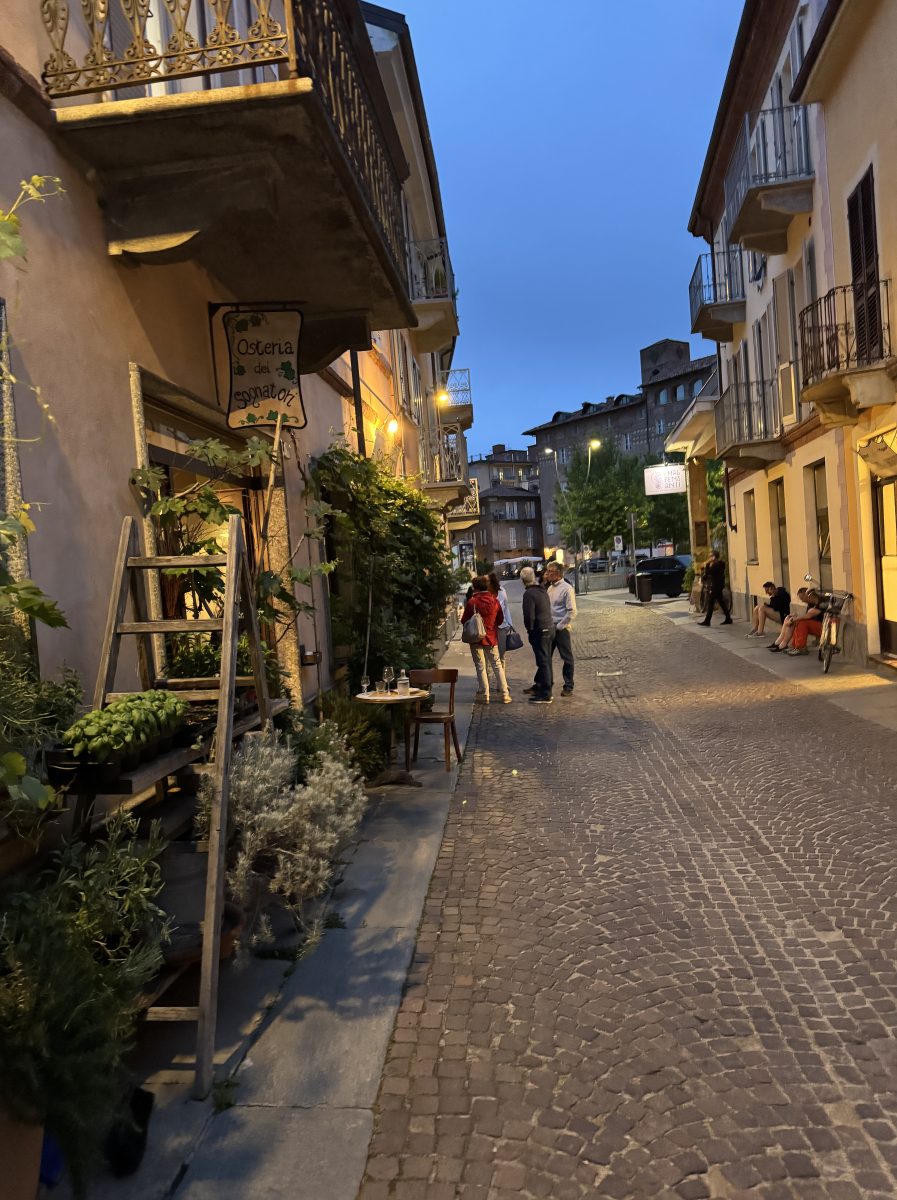
My second dinner in Alba was perhaps the most memorable of the entire trip. I stumbled upon this place, certainly a local hangout (or at least it seemed to me), the Osteria del Sognatori.

Like the wine list (which was a dozen pages long, the night’s menu was hand written.

Vitello Tonnato, a local speciality, is not much on the eyes, but it was certainly delicious.

…. as was the Tamarin ragu, another dish pretty specific to Piedmont.

My second ride in Alba was slightly more ambitious as it was roughly the same distance but had another 1,000 feet of elevation gain. Go me.

I am not sure what church this is, but I do know it is in the tiny town of San Martino Alfieri, which also sports a fairly large castle at the top of a huge hill.

As I was flying down the descent from San Martino Alfieri and into a blind turn, the entire road was taken up by one of the largest tractors I had ever seen. I locked up my brakes and prayed (a pretty loose interpretation of “prayer” but I did say a word or two out loud). There was no way to get around the thing. To the right was a 20 foot high stone wall. To the left was a cliff with probably a 40 foot drop? Two solid fishtails later, I opted for the wall. Miraculously, I neither hit the tractor (nor did it hit me) nor did I go down. I did get rather up close and personal with the wall, though, leaving a patch of skin behind.
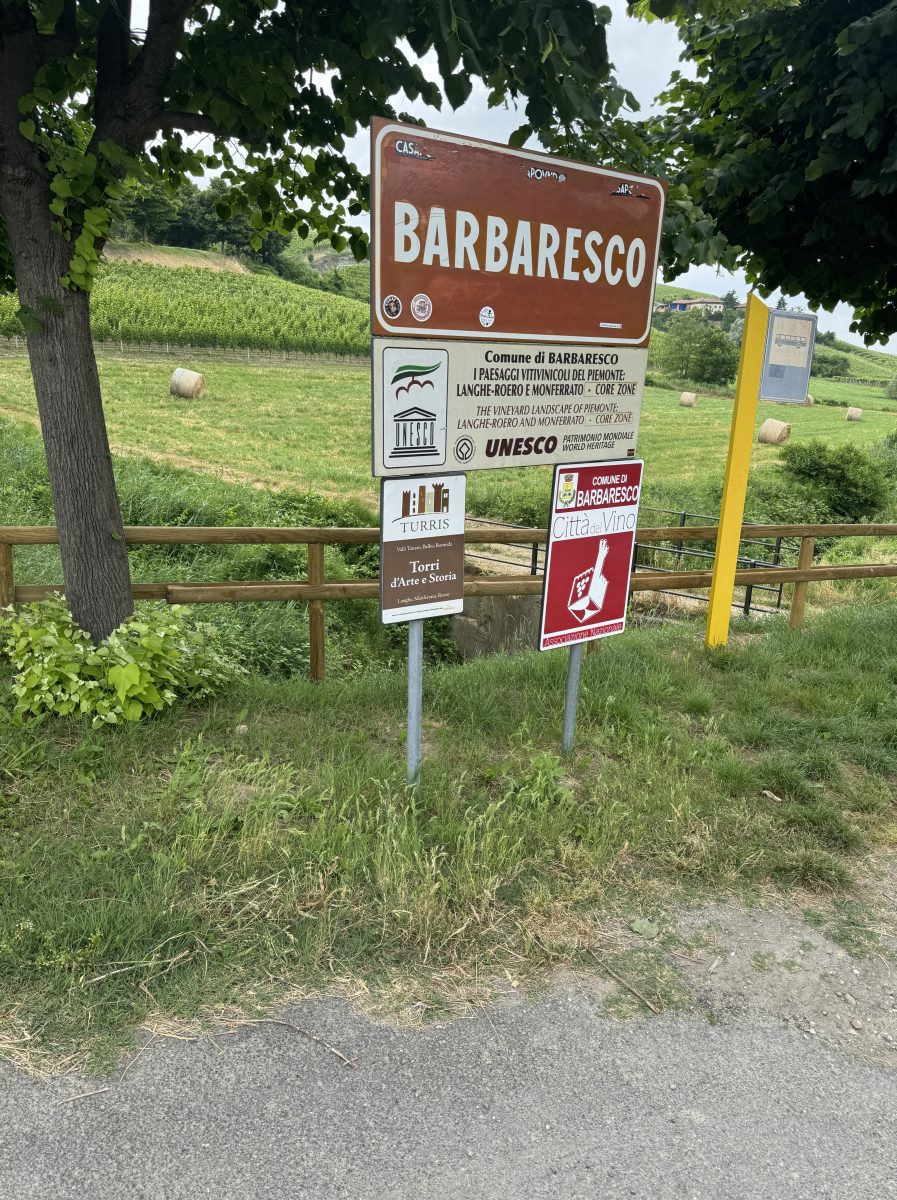
On the back side of the loop was another tiny town, Barbaresco, another giant in Piedmontese wine.

The church in the center of Barbaresco.

The inside of my pocket.

Before leaving Alba, I met up with Marco Riva, a young, talented winemaker in the Roero region of Piedmont. I tried to keep up as Marco danced among the vines, we did stop for a glass or two here and there.
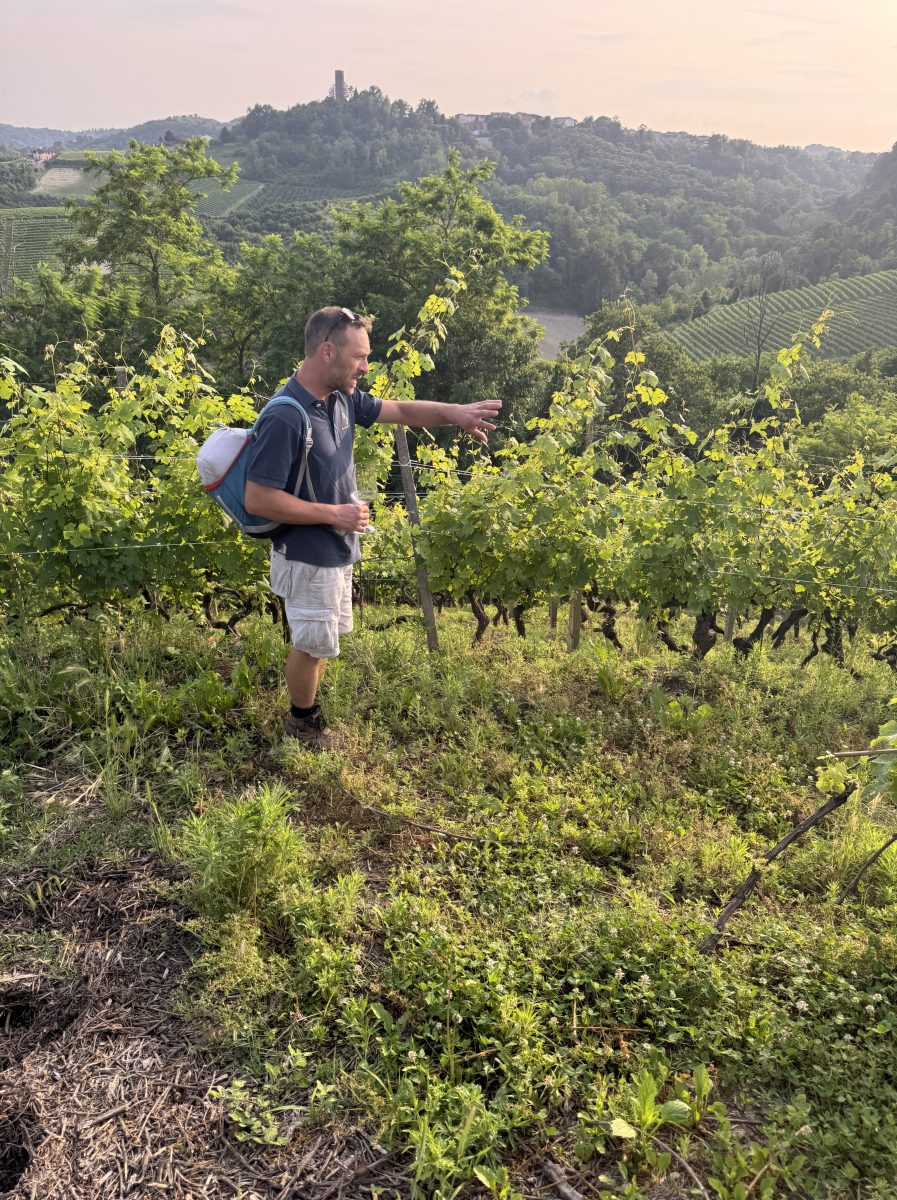
More to come on my time with Marco and the wines of Roero.

On my way out of Alba, I was able to squeeze in two more “visits”.

The first was the Alba market day, perhaps the most impressive I have seen in Italy.
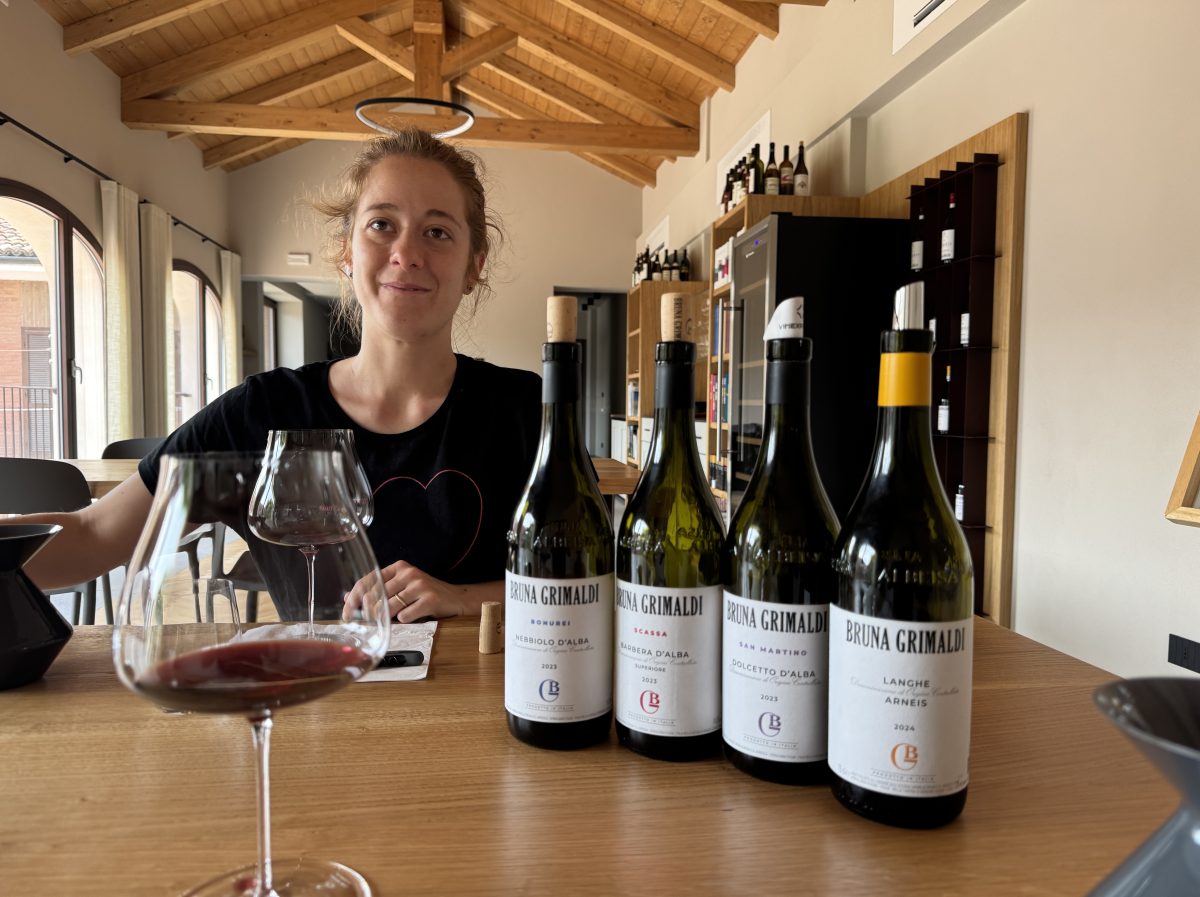
The second was a tasting at Bruna Grimaldi with the charming Martina Florino (Bruna’s daughter). More to come on that as well.




 the drunken cyclist