As many of you may know, my wife is Korean-American; she was born in the U.S. to two immigrants from Korea who both came here in there young-adulthood as their parents fled the Korean peninsula for reasons associated with that country’s civil war. Many of you also may know that we, as a family, try to take one “big” vacation every year, with the majority of those occurring in Europe (last summer, we spent a couple of weeks in Slovenia).
What many (most?) of you don’t know is that none of us (with the exception of my wife) had ever been to Korea. It is not that we didn’t want to go, but for various reasons over the years (my older son is now 23), “the trip” had been postponed, delayed, or otherwise scuttled. It happened so often that it became a common theme that whenever “Korea” was mentioned, one of us would openly question the nation’s existence; we had heard so much about it over the years, but none of us had ever been there.
Until now.
Last week, the four of us embarked on a two-week trip to Korea, or as Nathan said: The Mother Land.
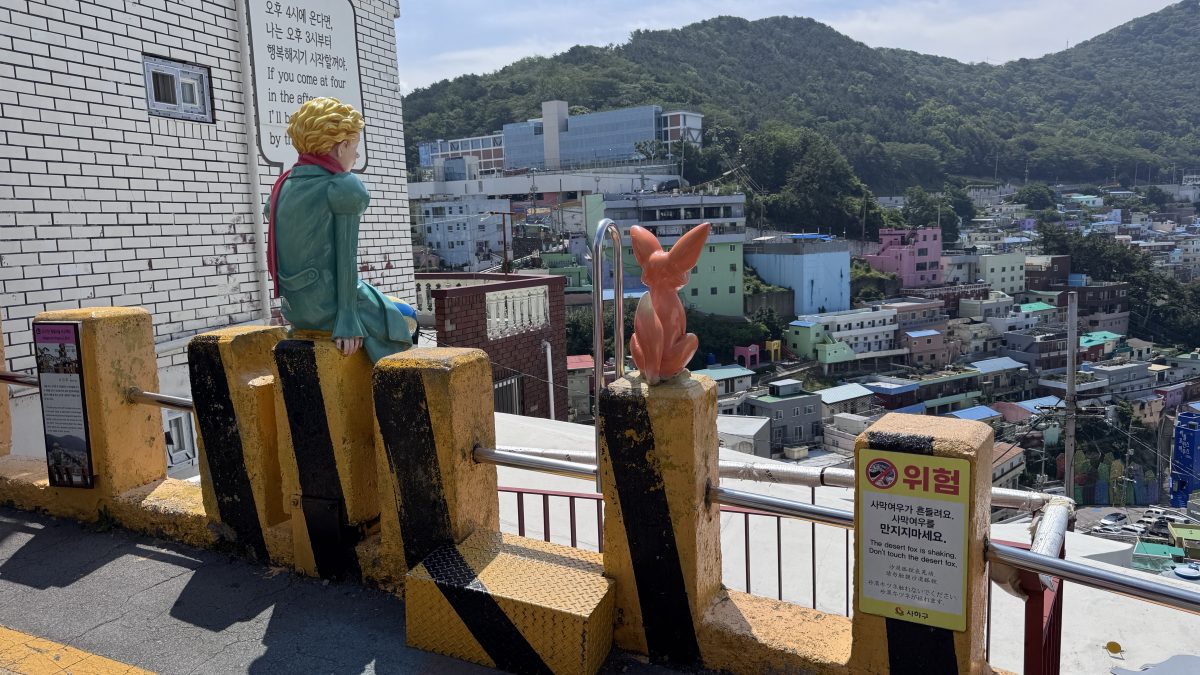
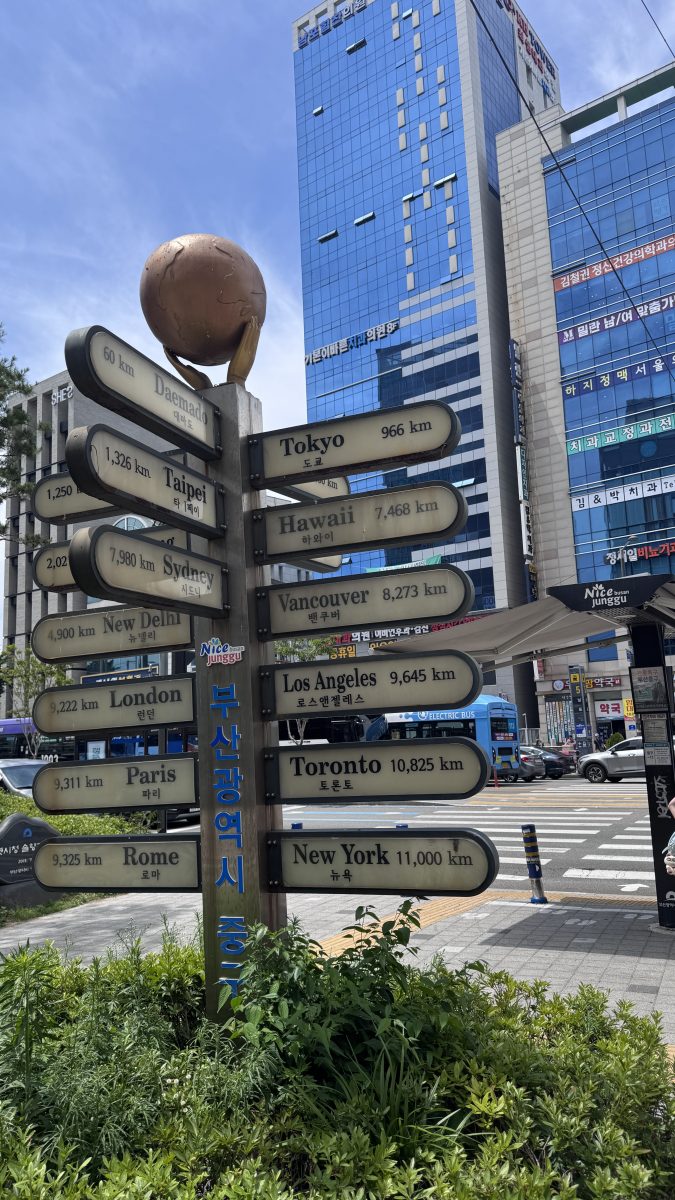
Busan is Korea’s second largest city, and it is huge, broken up into several neighborhoods. The Gamcheon Culture Village was originally built to house the working class of the city and is a labyrinth of small houses and twisting streets and steep inclines. In 2009, the city aimed to recast it as an artist enclave and is now one of the most visited regions of the city. The neighborhood adopted the Little Prince as its mascot and this has become perhaps the most photographed spot in Busan (there was a significant line and a guard making sure people didn’t get out of line–I snapped this quickly as one group left).
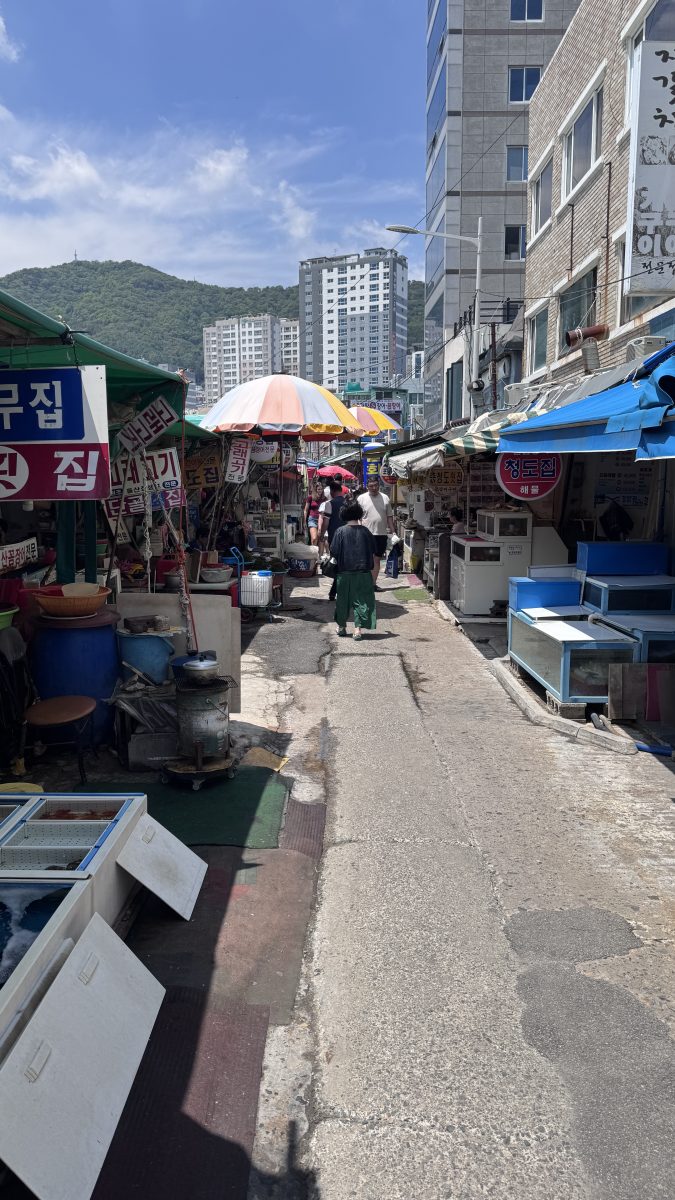
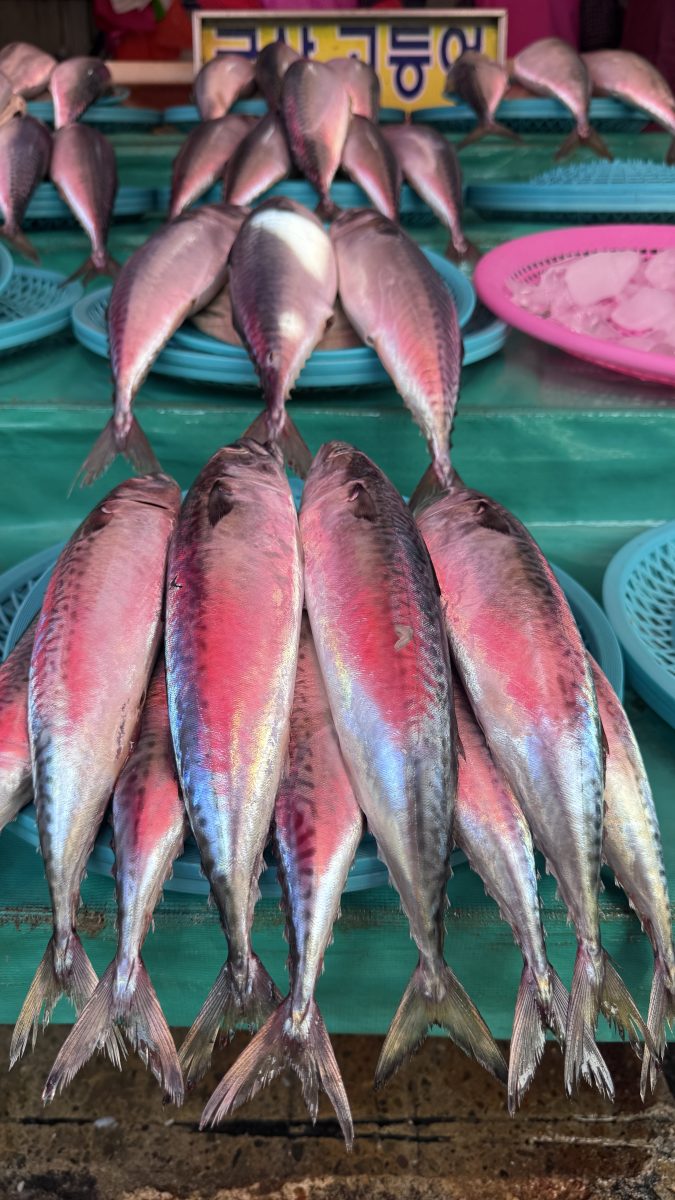
The other region in Busan that I particularly enjoyed was the Jagalchi Fish Market, which was really the first time I felt like I had gone back in time a bit. I doubt the market has changed much over the years.
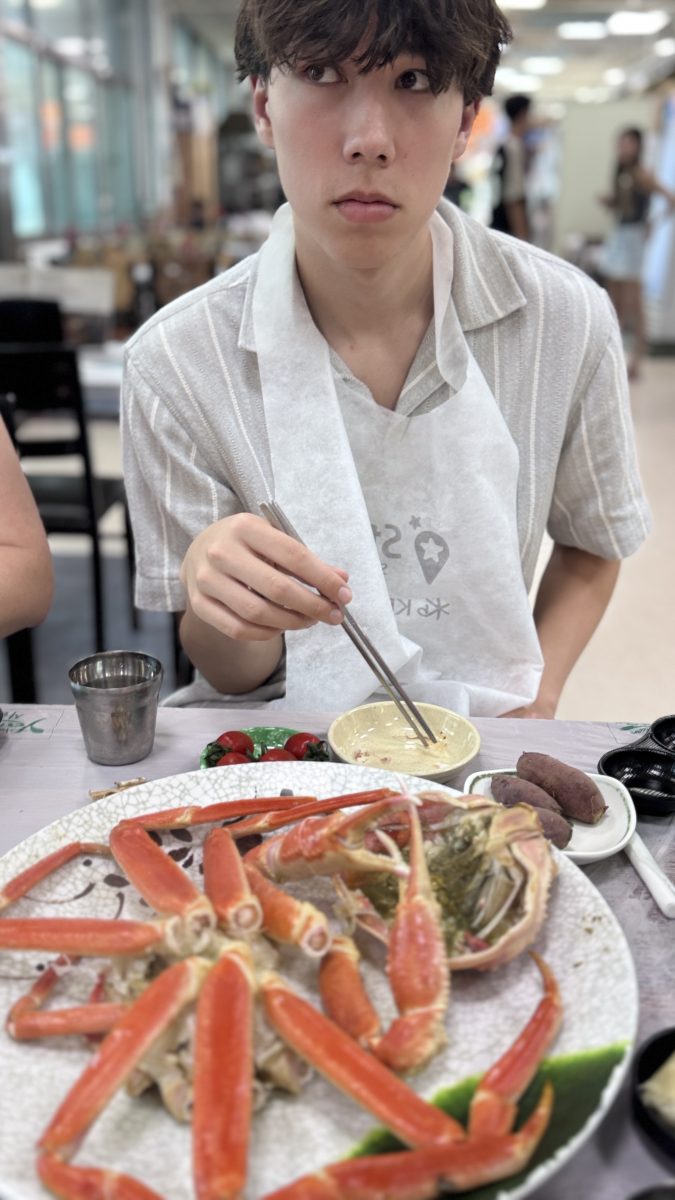
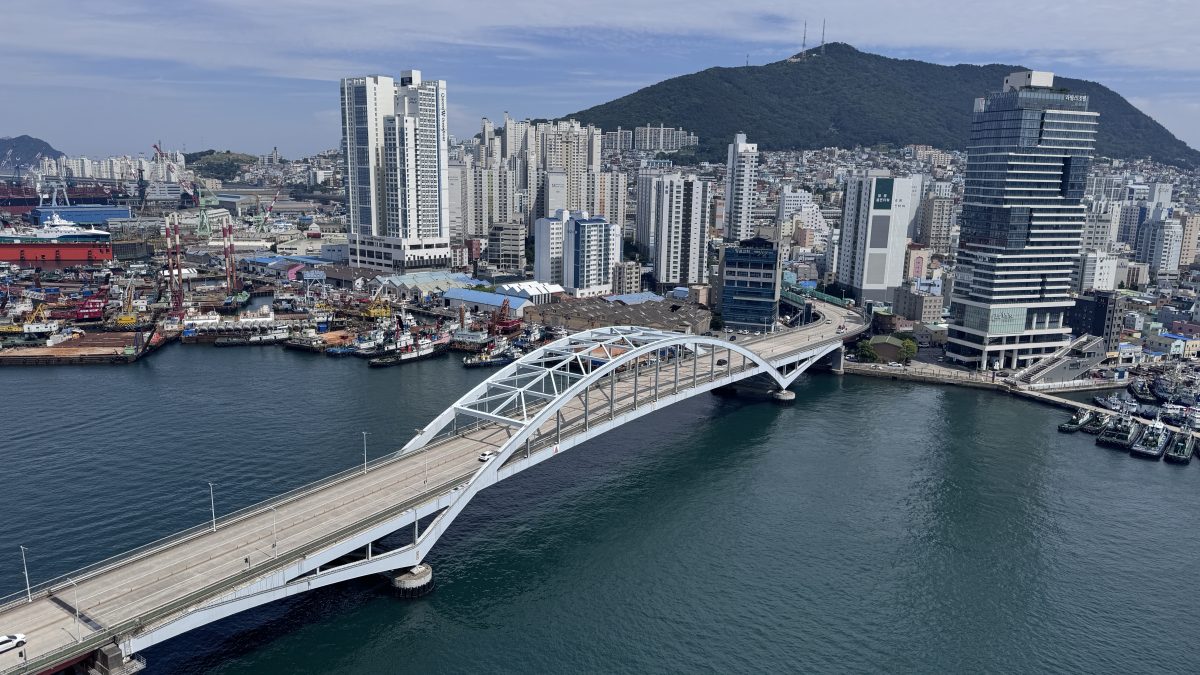
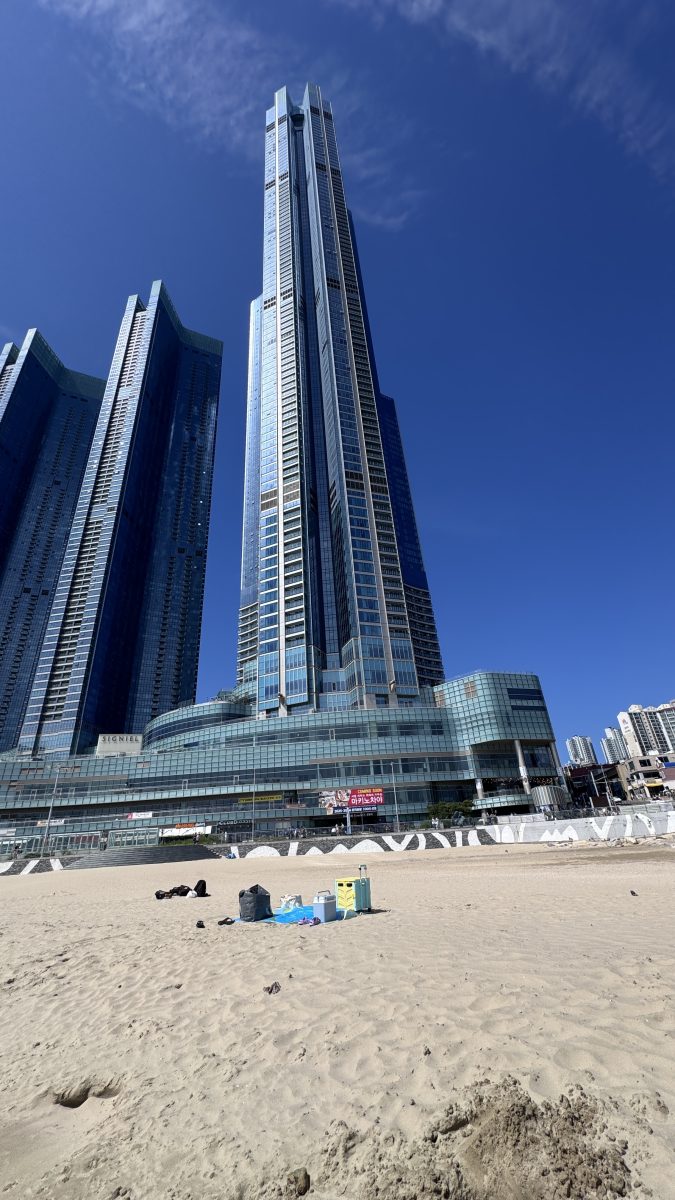
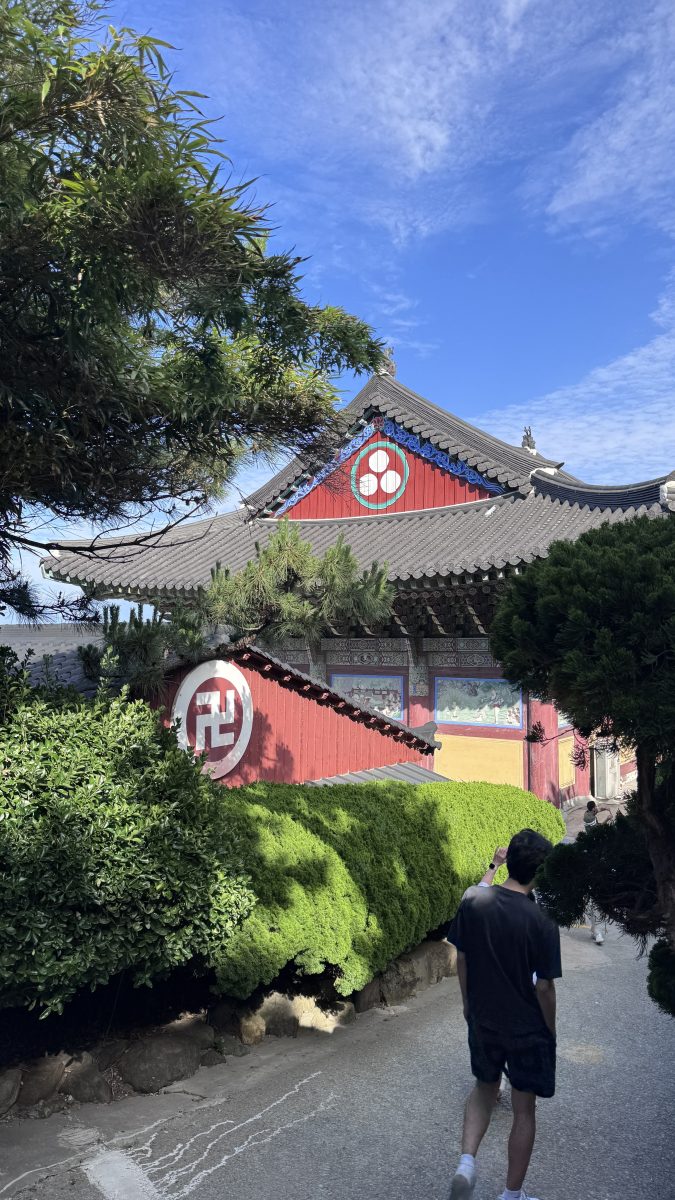
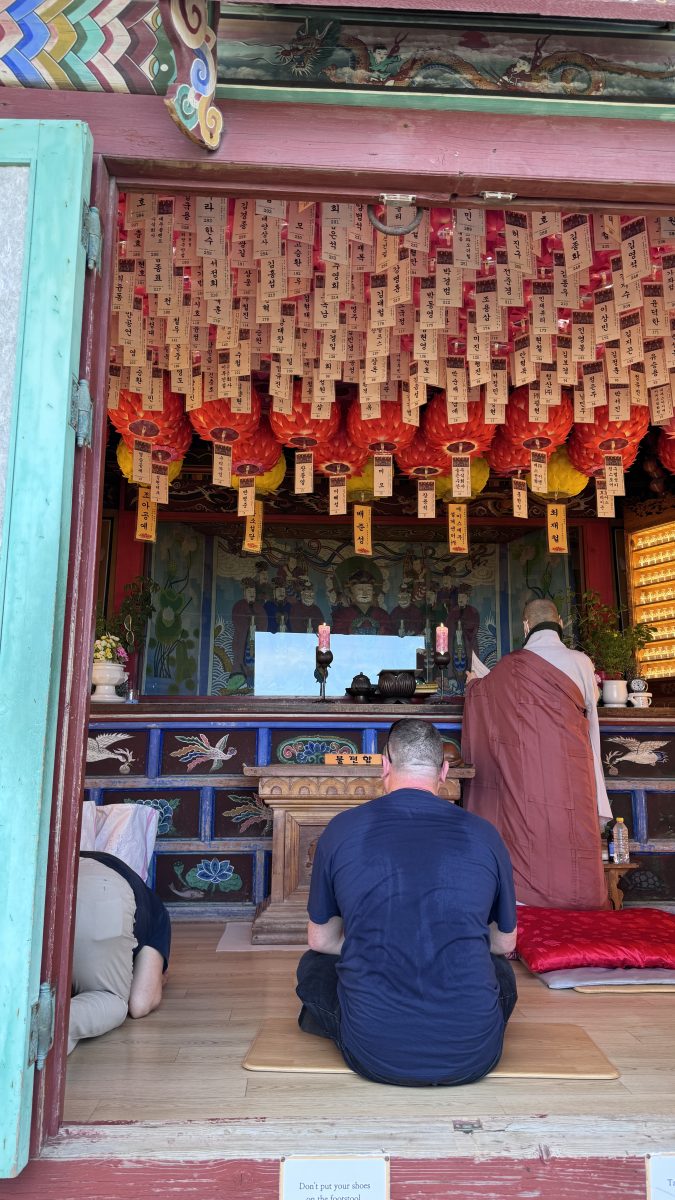
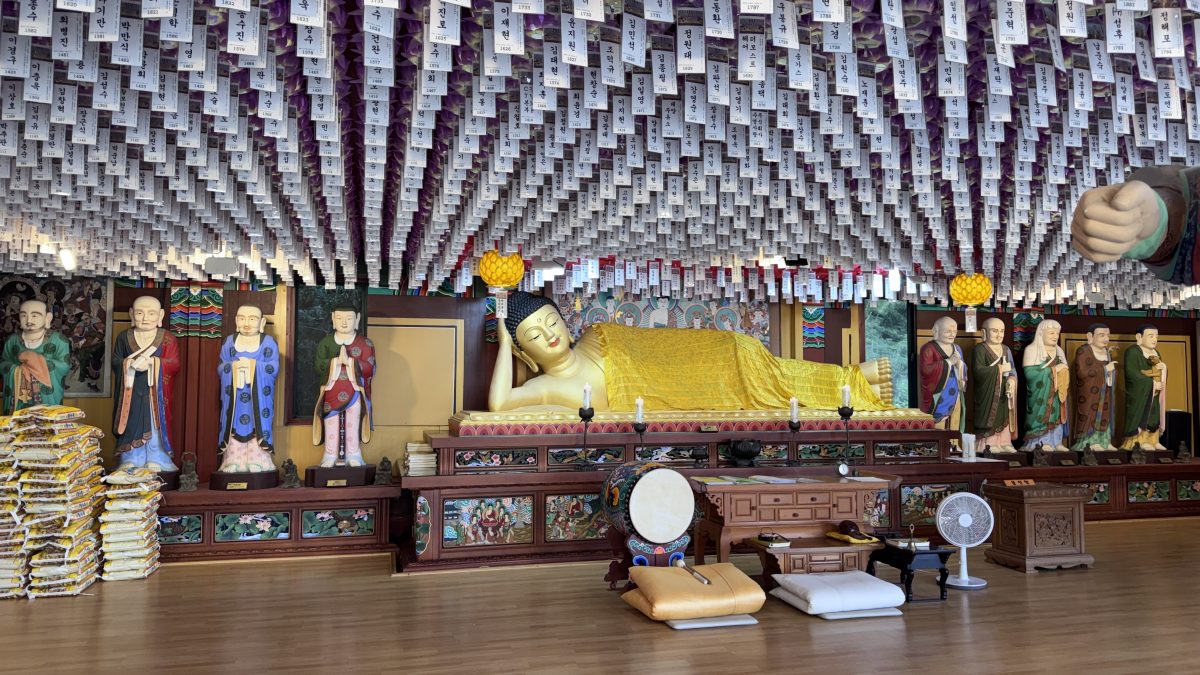
There were seemingly hundreds of stalls, each with dozens of different types of fish. It was rather amazing.For lunch, we picked out a flounder and a large snow crab, which they, well, killed for us and cooked. Sebastian was a bit dubious about the whole process for some reason.Busan is both quite modern and hosts millions of tourists a year.The city is intersected by several waterways and connected by a number of impressive bridges.As I mentioned last week, we were right on Haeundae Beach, one of seven urban beaches in the city. Fine white sand and quite clean. Not very crowded, either. I am not really a beach person, but it seemed pretty impressive to me.We spent half a day visiting the Haedong Yonggungsa Temple in Busan, which is beautiful and in a stunning location, but it is completely overrun with tourists. And even though I knew the swastika in Buddhism represents good fortune, prosperity, abundance and predates the Nazi symbol (which is slightly different) by hundreds of years, I still found it difficult to look at.The temple was beautiful, but the crowd. Yeesh. People walking around, kids running all over the place screaming, and just a general disregard that it was an actual place of worship.
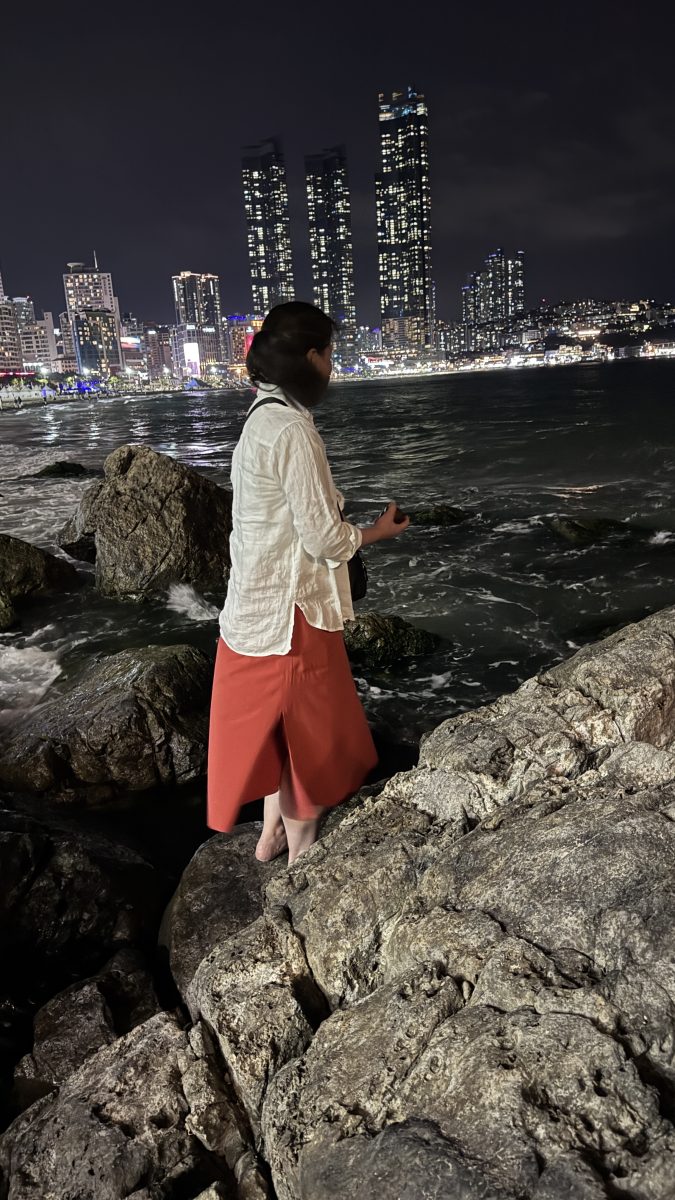
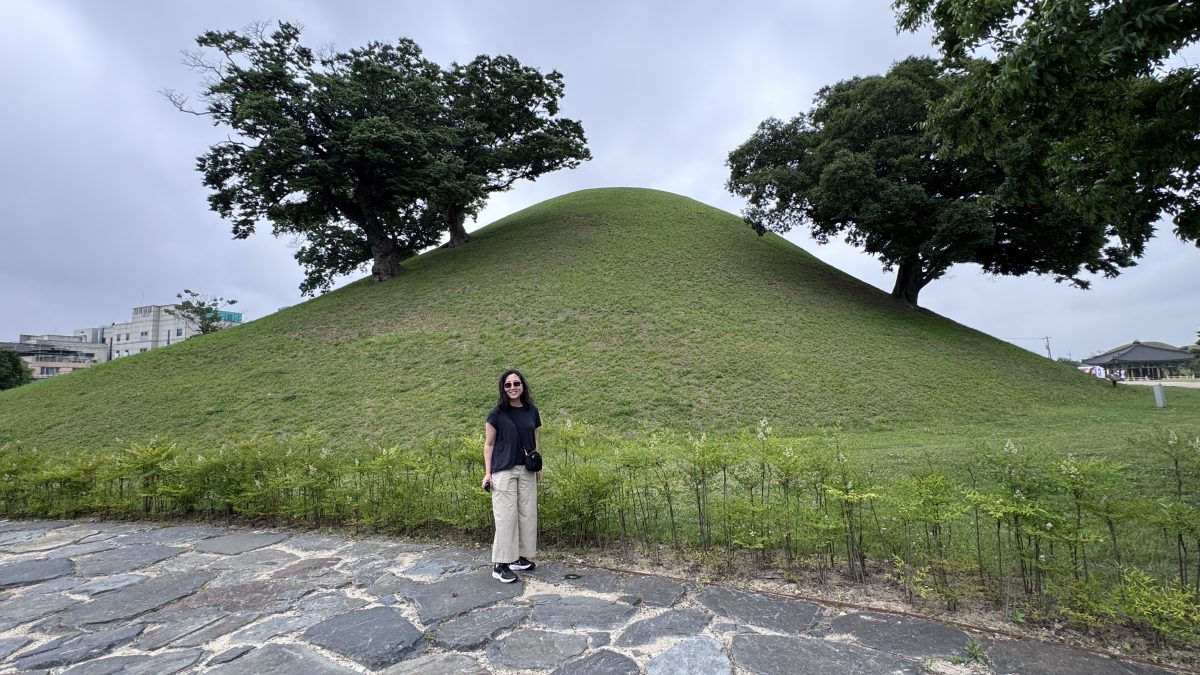
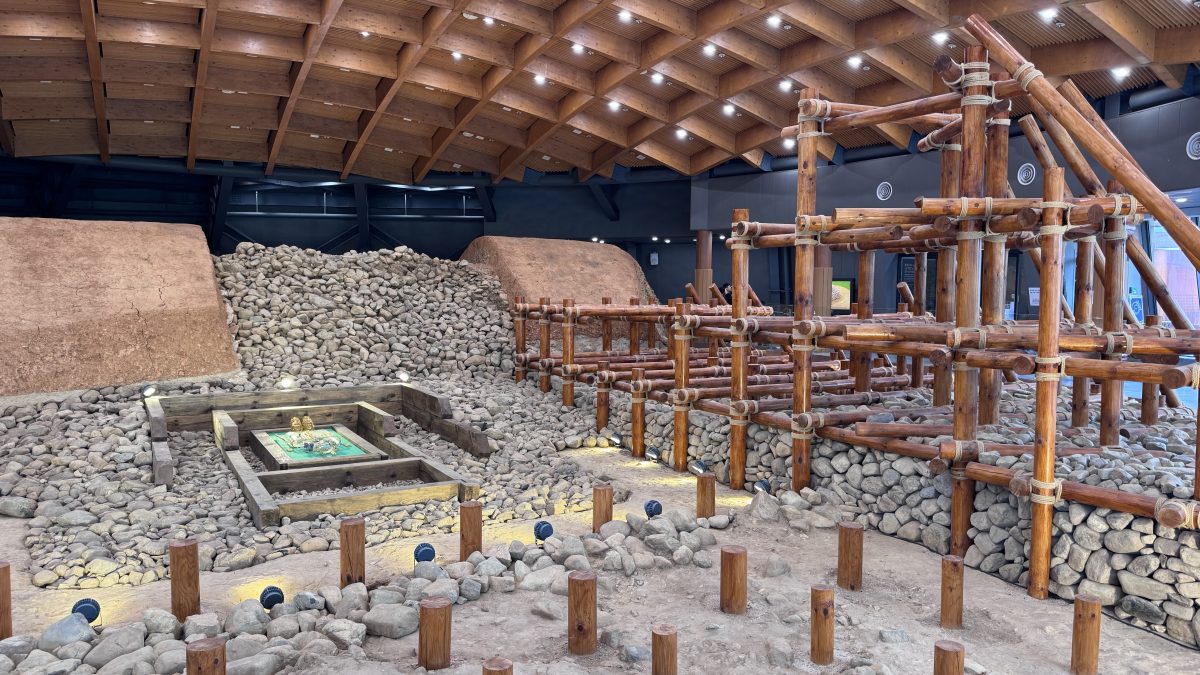
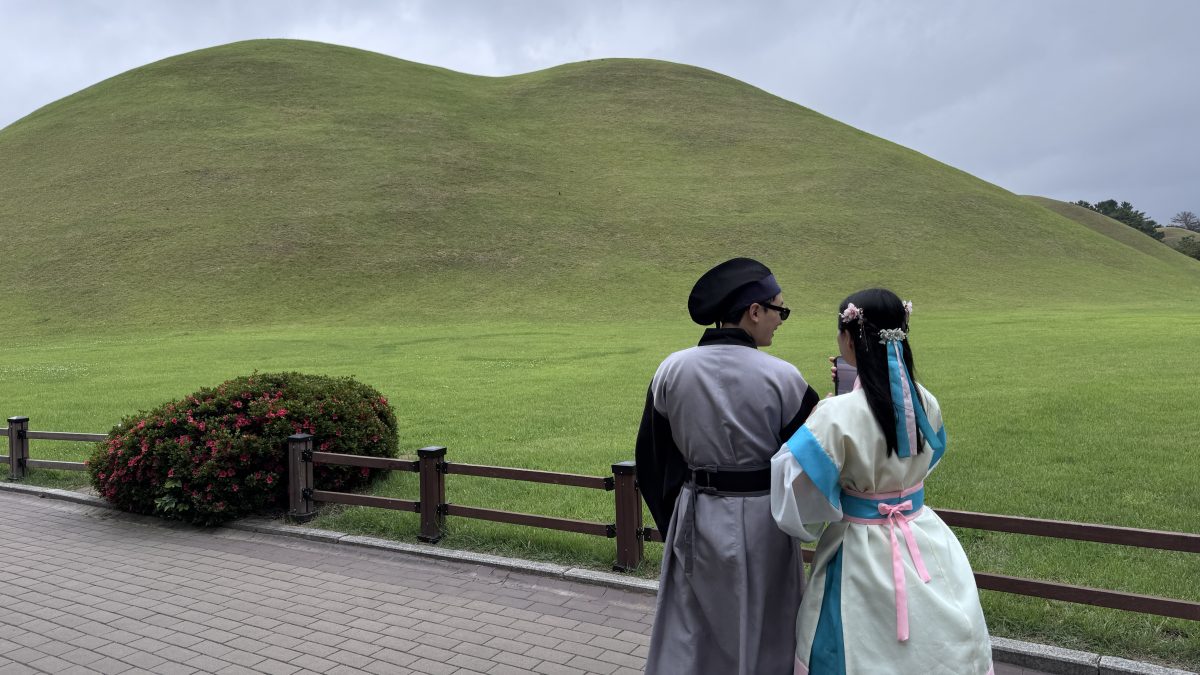
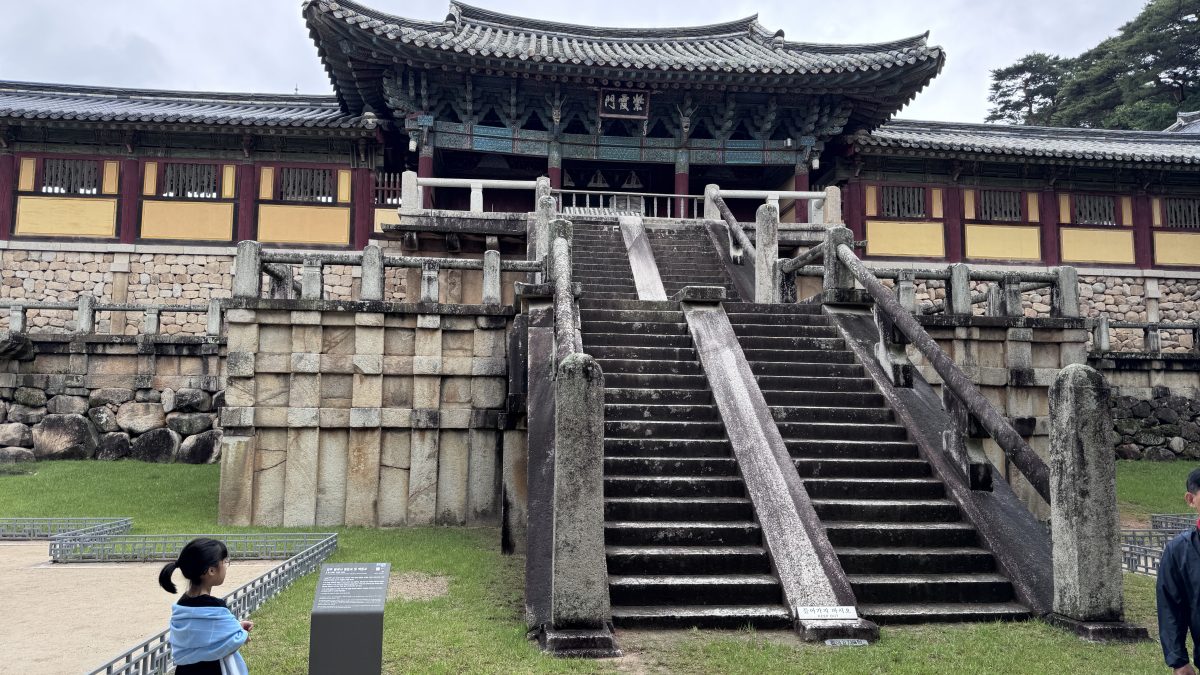
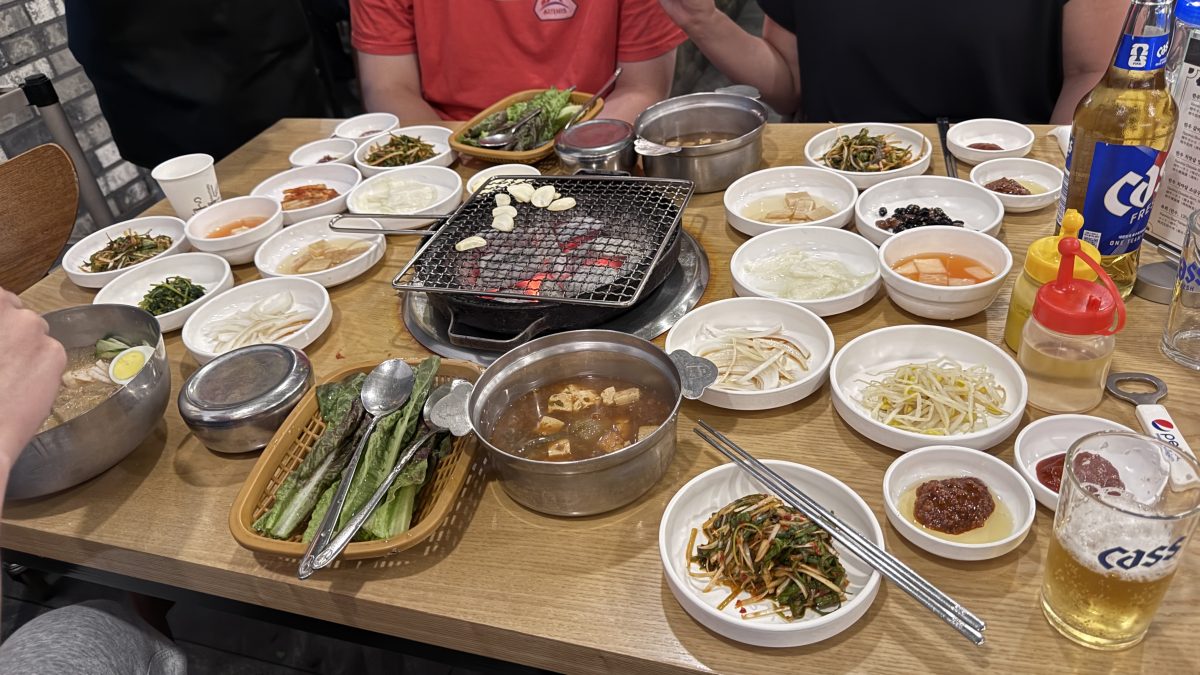
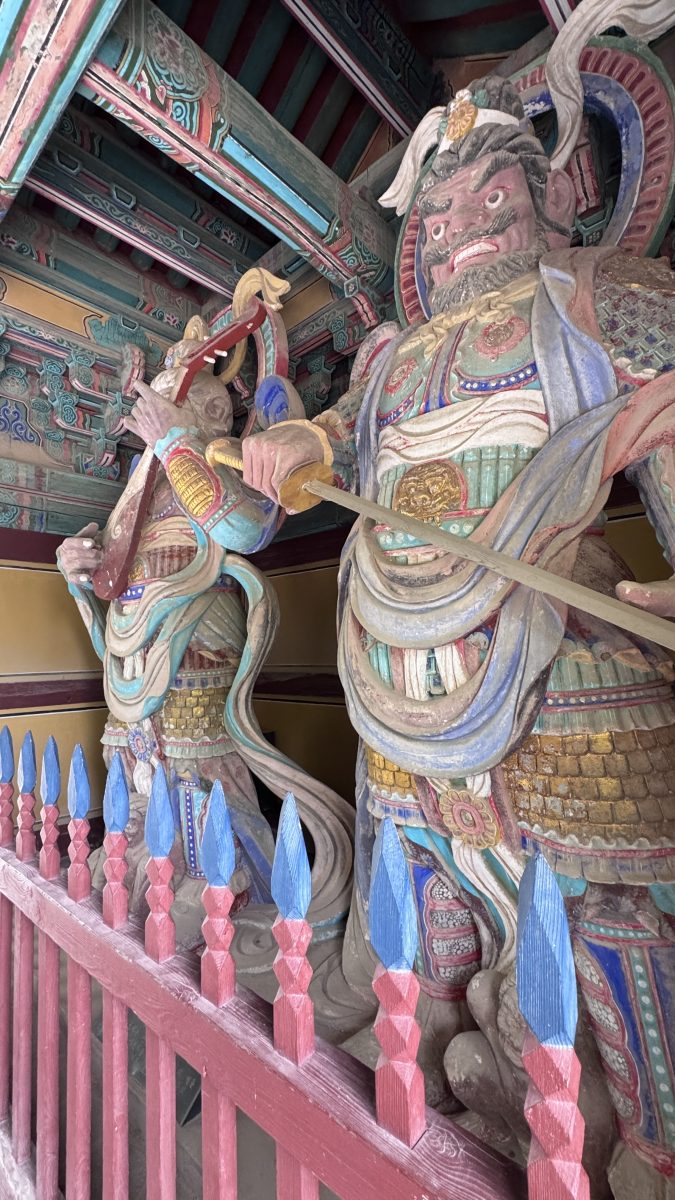
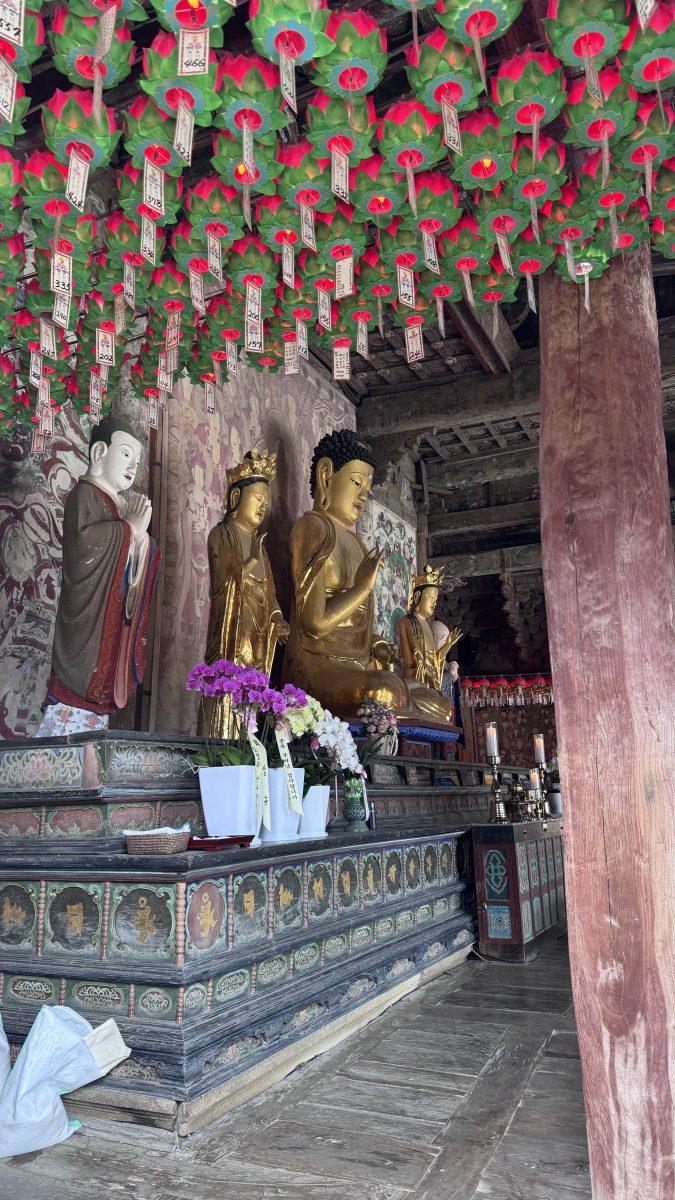
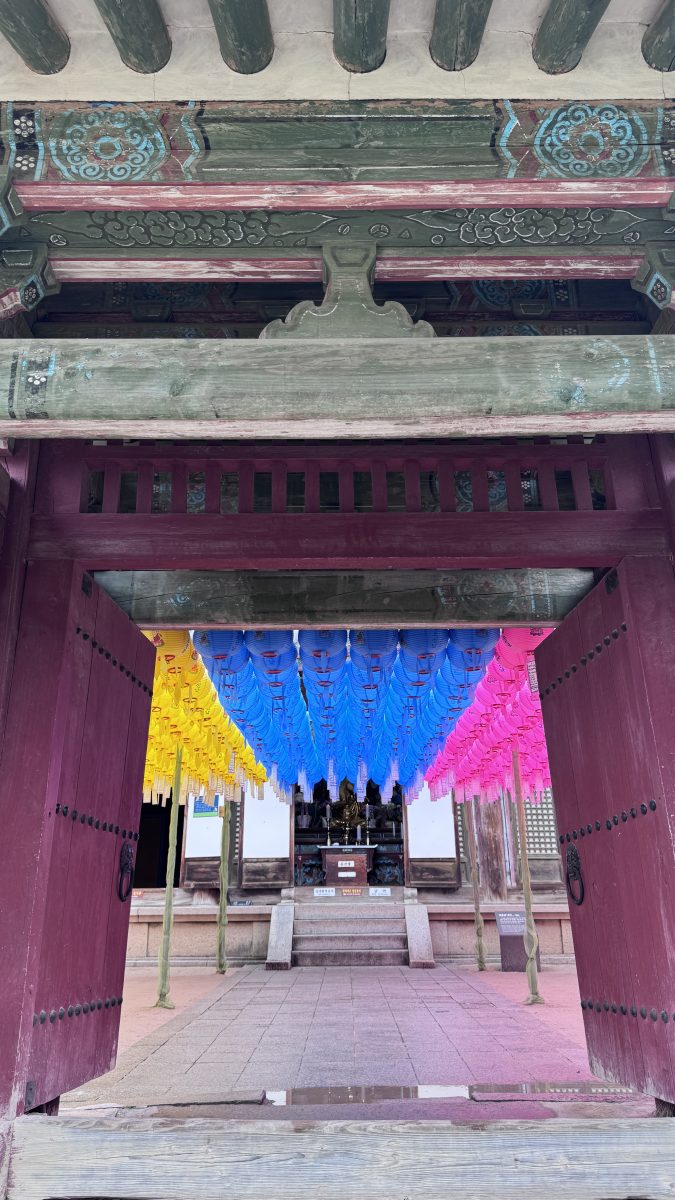
I guess I was part of the problem since I am pretty sure I was not supposed to be filming.That evening, my wife scattered a few of her father’s ashes in the surf. He passed away this March.The following day, we took the short train ride to Gyeongju, which is known for its ancient rolling tombs of the Silla Kingdom, which ruled the Korean peninsula for over a thousand years and called Gyeongju its capital.This is inside one of the tombs, which had been carefully excavated by the Koreans, as opposed to what the Japanese did during their occupations.There are numerous tombs in Gyeongju, and getting dressed in hanboks (the traditional Korean outfit) for various photos is quite popular (but since we did it in Seoul, we passed this time).Gyeongju also has a famous Buddhist temple, Bulguksa, a UNESCO World Heritage site, which was destroyed by the Japanese (of course), but rebuilt in the 1970s. Much more serene than the temple in Busan.Without a doubt, the food was a highlight of the trip and since Gyeongju is known for its gable (Korean beef short ribs), we ventured into a local restaurant and had a fantastic meal. All the small dishes, called banchan, certainly add to any meal.Gyeongju also has a famous Buddhist temple, Bulguksa, a UNESCO World Heritage site, which was destroyed by the Japanese (of course), but rebuilt in the 1970s. Much more serene than the temple in Busan.
That’s all for today, I will be back next week with more…
I have been an occasional cycling tour guide in Europe for the past 20 years, visiting most of the wine regions of France. Through this "job" I developed a love for wine and the stories that often accompany the pulling of a cork. I live in Houston with my lovely wife and two wonderful sons.