“The execution of the laws is more important than the making of them.”
–Thomas Jefferson
The concept was rather straightforward, but as with most projects in life, it was the execution (or lack thereof) that was the key and, well, thus is the story of my life.
Back in the Spring, I received an email from a PR firm in Italy who has a rather impressive portfolio of producers from all over Italy. I presented them with an idea that, while not all that novel, would (at least for once), make a little bit of sense out of the title of this site. I proposed a few posts about the wines from the regions that were being traversed by the cyclists in this year’s Giro d’Italia. [For those that don’t know, there are three “Grand Tours” every year in professional cycling: The Giro d’Italia in May, the Vuelta d’Espagne in September, and by far the most famous, the Tour de France which just concluded at the end of July.]
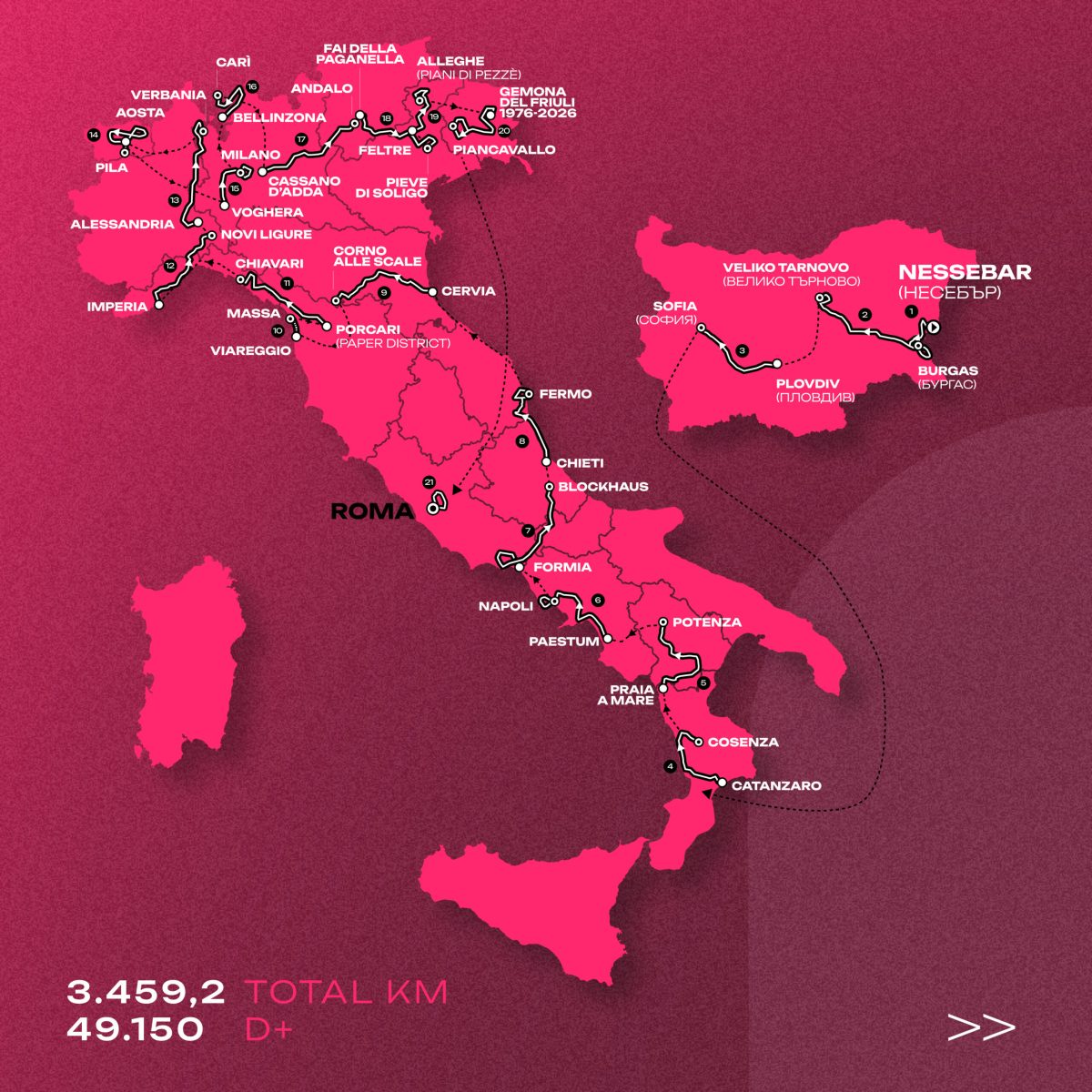
After a bit of correspondence, we settled on essentially three regions (and routes) to highlight and I would publish my notes about the wines. Like I said, straightforward.
Until it wasn’t.
First, on their end, some of the wines we had discussed were not available from the wineries, so they were substituted with wines that were close to this year’s route, and that was fine.
Until it wasn’t.
The wines, it seems, were held up for a bit in customs, and by a bit I mean “almost a month” and while there was a little wiggle room, there wasn’t that much wiggle room. Thus, the wines showed up after the conclusion of the Giro.
Oh well. We tried.
Since then, I have been sitting on these notes since I did not really know how to publish them. Until today, as another Musgo Wednesday (yes, I know today is Thursday, but yesterday was a “significant” birthday for me, which I spent on my bike, away from my computer, and with people who are near and dear to me–yes, I am giving myself a pass), here are the wines that I was going to discuss for the 13th, 14th, 17th and 18th stages of the Giro d’Italia, which spent most of the third week in the northern part of the country, where I have visited some, but not nearly enough.
Both wines this week come from the Barolo region of Piedmont, which is one of the most revered regions for wine in Italy. But it was not always that way. In fact, the popularity of Barolo did not explode until after the 1980 act that classified the region as a DOCG (Denominazione di Origine Controllata e Garantita), the highest indication of quality in Italy.
It was around this time as well that the approach to wine making shifted in the region. “Traditonal” Barolos were quite acidic and very tannic and thus required years, even decades, of aging before consumption. The switch was made to riper styles, which helped to diminish both the acidity and tannin levels in the wines, allowing for a more “immediate” consumption.
In 2010, the region adopted an official single-vineyard and sub-zone mapping system which divides the region into 181 different Menzioni Geografiche Aggiuntive (Additional Geographical Mentions or MGAs), which is similar to the “Cru” (Premier and Grand) system in Burgundy.
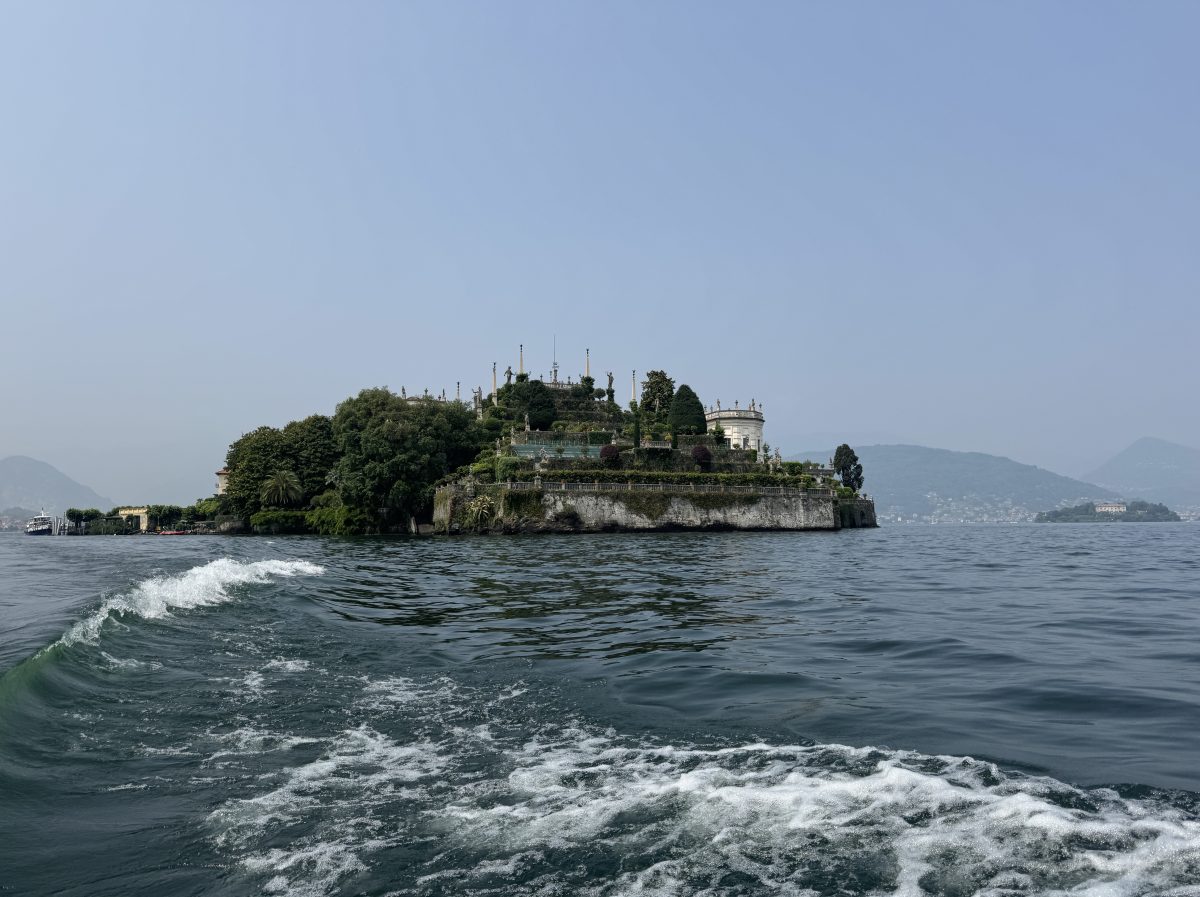
Although the Giro did not pass through Barolo this year, Stage 13 was entirely in the Piedmont region, which, in my book, is close enough. And it finished on the banks of Lago Maggiore, perhaps my favorite Italian lake, where I spent a few days last summer.
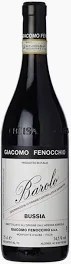
2022 Giacomo Fenocchio, Bussia, Barolo, Piedmont, Italy: Retail $75. Responsible Bottle (580g; 20.4oz). 100% Nebbiolo. I spent a bit of time in Piedmont last summer, and while I am by no means an expert (in fact, far from it), I did get a bit of the lay of the land while I was there. Bussia is perhaps the most well-known cru in Barolo, and the first recognized (1961), and this classic wine is singing. Sure, there is a bit of barnyard on both the nose and the palate, but this has solid fruit (tons of blackberry), an earthy element, and a solid savory note that underscores the fact that Barolo is a quintessential food wine. And this paired magnificently with my spaghetti and meatballs. Whoa. It may be a bit too “Old World-y” for some, but I am really digging this wine. A ton. Outstanding. 94 Points.
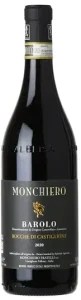
2020 Monchiero, Rocche di Castiglione, Barolo, Piedmont, Italy: Retail $60. Responsible Bottle (568g; 20.0oz). 100% Nebbiolo. Whoa. With every bottle of Barolo I open, particularly when it is a “Cru” or “MGA” (a dumb classification, if you ask me) as they are called in Piedmont, I swear I should drink more. Even a lot more. As Burgundy becomes increasingly unattainable, high-quality Barolos (like this one), are still relatively affordable. Fairly light in color with intense raspberry on the nose, really remarkable, with some earth, and lovely forest floor. Yowza. As one would expect from a Barolo of this quality, the palate is even more impressive (if possible) with still plenty of fruit, nearly six years past harvest, an enticing acidity that brightens the fruit even further, and an earthiness that I really love. Yeah, I need to listen to myself for once and seek out some Barolos to cellar for a while, and this would be a perfect place to start. This is fantastic now, but I feel it will improve over the next 5-8 years (at least), and will continue to evolve for maybe 15-20 years. Yeah, this is stellar. Outstanding. 95 Points.